Embark on a journey into the world of person interface components with the ever-so-useful `react native change android`. This is not nearly flipping a toggle; it is about crafting interactive experiences that really feel intuitive and interesting. Think about the facility to manage settings, activate options, and create pleasant interactions, all with a easy flick of a change. From its humble beginnings to its present advanced state, the React Native Swap element has change into a staple in Android app growth, providing a seamless method to improve person interplay.
We’ll delve into its core performance, exploring its objective and evolution, together with a deep dive into implementation, styling, and occasion dealing with. You may learn to grasp the element, guaranteeing it’s not simply useful, but additionally lovely, accessible, and optimized for peak efficiency. This information goals to offer you the information and instruments wanted to make your Android apps shine.
Introduction to React Native Swap for Android
Alright, let’s dive into the world of the React Native Swap element for Android. Consider it because the digital equal of a lightweight change, however on your app’s person interface. This little gem permits customers to toggle between two states: on and off, true and false, enabled and disabled – you get the image. It is a elementary UI aspect, and mastering it’s essential for constructing partaking and useful Android purposes with React Native.This element has come a good distance for the reason that early days of React Native.
Initially, builders needed to depend on platform-specific implementations or third-party libraries. Nevertheless, as React Native matured, the Swap element was built-in instantly into the core library, making it a typical and available device for all. This evolution displays the neighborhood’s dedication to offering builders with native-like UI experiences throughout completely different platforms.
Objective and Position of the React Native Swap Part
The first objective of the React Native Swap element is to supply a user-friendly approach for customers to work together with boolean (true/false) settings or preferences inside your Android app. It is all about offering clear, intuitive management. That is the bedrock of interactive purposes.The Swap element performs an important function in Android purposes by:
- Representing Binary Selections: It visually represents a alternative between two states, akin to “Allow Notifications” or “Use Darkish Mode.”
- Enhancing Consumer Expertise: It gives a clear and easy interface, bettering the general person expertise by making settings simply accessible.
- Bettering Accessibility: Properly-designed switches are accessible and simple to work together with for customers with disabilities, adhering to accessibility requirements.
- Offering Visible Suggestions: The element gives speedy visible suggestions when toggled, indicating the present state of the setting.
Evolution of the React Native Swap Part
The journey of the React Native Swap element mirrors the evolution of the React Native framework itself. Initially, builders confronted challenges in reaching constant UI throughout completely different Android variations.This is a snapshot of its evolution:
- Early Days: Builders usually relied on platform-specific UI elements or third-party libraries to implement switches. This led to inconsistencies and potential efficiency points.
- Integration into Core: As React Native matured, the Swap element was built-in instantly into the core library, providing a standardized and extra performant resolution.
- Styling and Customization: The element has advanced to supply extra in depth styling and customization choices, permitting builders to tailor its look to match their app’s design.
- Efficiency Enhancements: Ongoing optimizations have targeted on bettering the element’s efficiency and responsiveness, particularly on lower-end units.
Widespread Use Circumstances for the Swap Part in Android Apps
The flexibility of the React Native Swap element makes it a go-to alternative for a big selection of options inside Android purposes. Listed here are among the most typical purposes.This is a breakdown of its widespread use circumstances, illustrated with examples:
- Toggling Settings: Enabling or disabling app options akin to notifications, location providers, or Bluetooth. For instance, in a health app, a change might management whether or not or not the app tracks the person’s location.
- Choice Administration: Permitting customers to customise their app expertise, akin to selecting a lightweight or darkish theme.
- Content material Filtering: Filtering content material displayed in a listing or feed. For instance, a information app might use switches to filter articles by class.
- Knowledge Privateness Controls: Offering customers with management over knowledge sharing or privateness settings.
- Accessibility Choices: Enabling or disabling accessibility options like bigger textual content sizes or display readers.
Think about a social media app. Customers may use switches to manage whether or not their profile is public or non-public, or whether or not they obtain notifications for brand spanking new messages.
Implementing the Swap Part in React Native for Android
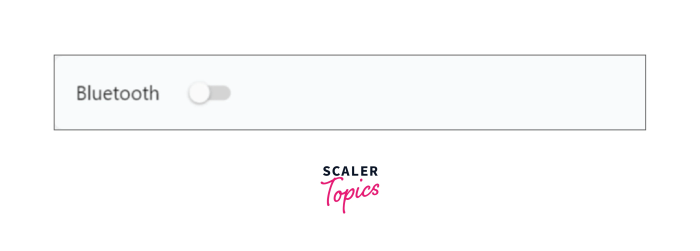
Let’s dive into how you can get that nifty Swap element working in your Android-based React Native app. It is surprisingly simple, and we’ll break it down into easy-to-digest steps. Getting this proper is essential; a well-implemented change makes your app really feel polished and user-friendly.
Primary Steps for Integration, React native change android
Integrating the `Swap` element into your React Native challenge for Android includes just a few elementary steps. This course of ensures the change capabilities appropriately and integrates seamlessly with the remainder of your app’s UI.
- Import the Swap Part: Begin by importing the `Swap` element from the ‘react-native’ library. This makes the element out there to be used in your code. Consider it like bringing the fitting device to the workbench.
- Implement the Swap: Place the `Swap` element inside your render operate. That is the place the magic occurs; you’re telling React Native the place to show the change.
- Handle State: You may want to make use of state to handle the change’s worth (on or off). That is often completed utilizing the `useState` hook. The state holds the present standing of the change.
- Deal with Modifications: Use the `onValueChange` prop to pay attention for modifications to the change’s state. When the person toggles the change, this prop will likely be referred to as, permitting you to replace the state accordingly. That is the way you react to person interplay.
- Styling (Elective): Whereas the default look is okay, you’ll be able to customise the change utilizing the `fashion` prop for extra management over its appear and feel. This contains altering colours, sizes, and different visible attributes.
Primary Utilization Code Snippet
This is a easy code snippet demonstrating how you can implement a `Swap` element in your React Native app, together with explanations of the core properties.“`javascriptimport React, useState from ‘react’;import View, Swap, StyleSheet, Textual content from ‘react-native’;const App = () => const [isEnabled, setIsEnabled] = useState(false); const toggleSwitch = () => setIsEnabled(previousState => !previousState); ; return ( Toggle Me: The change is isEnabled ? ‘ON’ : ‘OFF’ );;const kinds = StyleSheet.create( container: flex: 1, alignItems: ‘heart’, justifyContent: ‘heart’, , label: fontSize: 20, marginBottom: 10, , statusText: marginTop: 10, fontSize: 16, ,);export default App;“`This is a breakdown of the properties used within the code:
- `isEnabled` (State Variable): That is the state variable that holds the present worth of the change (true or false). It is initialized to `false` on this instance. That is just like the reminiscence of the change.
- `setIsEnabled` (State Setter): This operate is used to replace the `isEnabled` state. When the change is toggled, this operate is known as to vary the state.
- `toggleSwitch` (Operate): This operate is known as when the change’s worth modifications. It makes use of the earlier state worth to toggle the change.
- `Swap` (Part): That is the precise React Native `Swap` element.
- `trackColor` (Prop): Means that you can customise the colour of the observe (the background) of the change. Within the instance, it units the colour for each the ‘off’ and ‘on’ states.
- `thumbColor` (Prop): Units the colour of the thumb (the transferring half) of the change. This instance makes use of completely different colours for the ‘on’ and ‘off’ states to supply visible suggestions.
- `ios_backgroundColor` (Prop): This prop is particular to iOS, nevertheless it’s usually included for cross-platform consistency, though it will not instantly have an effect on the Android look.
- `onValueChange` (Prop): This prop takes a operate that is known as every time the change’s worth modifications. It receives the brand new worth of the change (true or false) as an argument. That is the principle interplay handler.
- `worth` (Prop): This prop is a boolean that determines whether or not the change is at the moment on or off. It is sure to the `isEnabled` state variable on this instance.
Styling the React Native Swap on Android
The React Native Swap element, whereas providing primary performance out of the field, gives ample alternatives for personalisation to align along with your utility’s design language. Mastering the styling choices permits builders to create visually interesting and constant person interfaces throughout completely different Android units. The next sections element how you can tailor the looks of the change to your particular wants.
Accessible Styling Choices for the Swap Part on Android
Android’s Swap element in React Native may be styled utilizing a wide range of properties to attain the specified appear and feel. These properties primarily affect the colours of the observe and thumb, in addition to the general dimension and dimensions. Understanding these choices is essential to successfully customizing the change.
Customizing the Look of the Swap
To really personalize the change, a number of properties can be found to govern its visible attributes. This includes modifying the colours of the observe and thumb, and adjusting their sizes.
- Monitor Shade: The observe shade is the background shade of the change when it is within the ‘off’ state. This property helps differentiate the change’s two states visually. As an illustration, setting `trackColor= false: ‘lightgray’, true: ‘inexperienced’ ` will make the observe grey when off and inexperienced when on.
- Thumb Shade: The thumb shade represents the colour of the round indicator that slides alongside the observe. This shade may also be personalized for each the ‘off’ and ‘on’ states. Much like trackColor, the `thumbColor` prop accepts an object with `false` and `true` keys to specify completely different colours for every state. For instance, `thumbColor= false: ‘darkgray’, true: ‘white’ `.
- Dimension: Whereas there is not a direct “dimension” property, you’ll be able to not directly management the scale by utilizing `remodel: scale()` inside the `fashion` prop. This lets you enlarge or shrink all the change. Understand that scaling can generally have an effect on the visible high quality relying on the system and scale issue used. For instance, to make the change bigger, you may use: `fashion= remodel: [ scale: 1.5 ] `.
Styling Properties and Their Results on the Android Swap Part
The next desk summarizes the important thing styling properties out there for the React Native Swap element on Android and their results. It gives a fast reference for builders seeking to customise the change’s look.
| Property | Description | Impact |
|---|---|---|
| `trackColor` | Units the background shade of the change observe. | Modifications the colour of the observe when the change is within the ‘off’ and ‘on’ states. Takes an object with `false` and `true` keys to specify colours. |
| `thumbColor` | Units the colour of the change thumb (the round indicator). | Modifications the colour of the thumb when the change is within the ‘off’ and ‘on’ states. Takes an object with `false` and `true` keys to specify colours. |
| `fashion` | Permits for added styling utilizing normal React Native kinds. | Allows customization of the change’s dimension and different visible attributes, akin to including borders or shadows, utilizing properties like `remodel: scale()` to manage dimension. |
| `disabled` | A boolean worth that signifies whether or not the change is disabled or not. | When set to `true`, the change is grayed out, and the person can’t work together with it. The observe and thumb colours are sometimes barely dimmed to point the disabled state. This enhances person expertise by visually representing the change’s inactive state. |
Dealing with Swap State and Occasions in React Native (Android)

Let’s dive into the core of interplay with the React Native Swap on Android: capturing its state and reacting to modifications. That is the place your app really comes alive, responding dynamically to person enter. Understanding how you can handle the change’s state and set off actions primarily based on its situation is prime to making a responsive and interesting person expertise.
It is like the key handshake between your code and the person’s intentions, guaranteeing all the things works seamlessly.
Capturing and Managing Swap State
The state of the Swap element is the center of its performance. It represents whether or not the change is toggled on (true) or off (false). React Native gives a simple method to seize and handle this state, permitting your utility to react accordingly. This includes utilizing state variables, occasion handlers, and the `useState` hook. To seize and handle the change state, you may primarily make the most of React’s `useState` hook.
This hook means that you can declare a state variable that holds the present worth of the change (true or false). This is how one can implement this: “`javascript import React, useState from ‘react’; import View, Swap, Textual content, StyleSheet from ‘react-native’; const MySwitchComponent = () => const [isEnabled, setIsEnabled] = useState(false); // Initialize state to ‘false’ const toggleSwitch = () => setIsEnabled(previousState => !previousState); // Replace state on toggle ; return ( Swap is: isEnabled ? ‘On’ : ‘Off’ ); ; const kinds = StyleSheet.create( container: flex: 1, alignItems: “heart”, justifyContent: “heart”, , textual content: fontSize: 20, marginBottom: 20, , ); export default MySwitchComponent; “` On this instance: `useState(false)` initializes the `isEnabled` state variable to `false`.
This represents the preliminary state of the change (off). `toggleSwitch` is the operate that updates the `isEnabled` state. It makes use of the useful replace kind (`previousState => !previousState`) to make sure the state is appropriately up to date primarily based on the earlier worth, no matter when the state replace happens.
The `Swap` element’s `worth` prop is sure to the `isEnabled` state, reflecting the present state of the change.
The `onValueChange` prop is assigned to the `toggleSwitch` operate. This operate is triggered every time the change is toggled, updating the `isEnabled` state. This strategy ensures that the UI at all times displays the present state of the change, and the state is up to date every time the person interacts with the change.
Responding to Swap State Modifications with Occasion Handlers
Reacting to modify state modifications includes utilizing occasion handlers. The `onValueChange` prop of the `Swap` element is the important thing to this. When the person toggles the change, the `onValueChange` occasion is triggered, and the related operate (the occasion handler) is executed. This operate receives the brand new worth of the change (true or false) as an argument. This is how you need to use `onValueChange` to reply to state modifications: “`javascript import React, useState from ‘react’; import View, Swap, Textual content, StyleSheet from ‘react-native’; const MySwitchComponent = () => const [isEnabled, setIsEnabled] = useState(false); const toggleSwitch = (newValue) => setIsEnabled(newValue); // Instantly set the brand new worth console.log(‘Swap is now:’, newValue); // Log the brand new state // You too can carry out different actions right here, akin to updating different UI components.
; return ( Swap is: isEnabled ? ‘On’ : ‘Off’ ); ; const kinds = StyleSheet.create( container: flex: 1, alignItems: “heart”, justifyContent: “heart”, , textual content: fontSize: 20, marginBottom: 20, , ); export default MySwitchComponent; “` On this revised instance:
`toggleSwitch` now accepts the brand new worth (`newValue`) instantly from the `onValueChange` occasion.
`setIsEnabled(newValue)` updates the state to the brand new worth.
`console.log(‘Swap is now
‘, newValue)` logs the brand new state to the console. That is helpful for debugging and verifying that the occasion handler is appropriately triggered. Through the use of occasion handlers, you’ll be able to create dynamic interactions in your utility. As an illustration, you may set off a community request, replace different UI components, or modify the applying’s conduct primarily based on the change’s state.
Triggering Actions Based mostly on Swap State
The actual energy of the Swap element lies in its means to set off actions primarily based on its state. This lets you create interactive and responsive person interfaces. You should utilize the change’s state to allow or disable different UI components, change the content material displayed, and even provoke extra complicated operations like API calls. This is how one can set off actions primarily based on the change state: “`javascript import React, useState from ‘react’; import View, Swap, Textual content, StyleSheet, Button from ‘react-native’; const MySwitchComponent = () => const [isEnabled, setIsEnabled] = useState(false); const [buttonDisabled, setButtonDisabled] = useState(true); const toggleSwitch = (newValue) => setIsEnabled(newValue); setButtonDisabled(!newValue); // Disable the button when the change is off ; return ( Swap is: isEnabled ? ‘On’ : ‘Off’
`buttonDisabled` state variable is used to manage the disabled state of the button. It’s initialized to `true`.
Within the `toggleSwitch` operate, we replace each `isEnabled` and `buttonDisabled` state.
`setButtonDisabled(!newValue)` units the `buttonDisabled` state to the alternative of the change’s state. This implies the button is disabled when the change is off and enabled when the change is on.
The `Button` element’s `disabled` prop is sure to the `buttonDisabled` state.
When the change is toggled on, the button turns into enabled. When the change is toggled off, the button turns into disabled. This demonstrates a typical use case: enabling or disabling different UI components primarily based on the change’s state. You may prolong this idea to manage numerous elements of your utility’s conduct. Think about a state of affairs the place the change controls the background shade of a view, the visibility of a piece of the UI, and even the information fetched from an API.
The chances are in depth. For instance, in a settings display, a change might management whether or not the person receives notifications, with the applying both sending or suppressing push notifications primarily based on the change’s state. Or, contemplate an e-commerce app the place a change permits or disables a “darkish mode” function, altering the app’s shade scheme to enhance person expertise in low-light environments.
Accessibility Concerns for React Native Swap on Android
Within the bustling world of app growth, it is easy to get caught up within the visible pizzazz and interactive options. Nevertheless, let’s not overlook the essential facet of accessibility. Guaranteeing your React Native Swap element on Android is accessible isn’t just a nice-to-have; it is a elementary requirement for inclusivity. It means making your app usable and gratifying for everybody, no matter their skills.
Consider it as crafting a welcoming expertise for all customers, together with those that depend on assistive applied sciences.
Significance of Accessibility for the Swap Part on Android
Accessibility is about extra than simply compliance with laws; it is about constructing a very user-friendly app. A well-designed, accessible change permits people with numerous disabilities, akin to visible impairments, motor talent limitations, or cognitive variations, to work together along with your app seamlessly. Think about a person with low imaginative and prescient who depends on a display reader. In case your change is not correctly configured, they may miss essential info or be unable to vary settings.
Ignoring accessibility is like constructing a stupendous home with out ramps or elevators – it excludes a good portion of the inhabitants. Making your change accessible ensures that each one customers can management and perceive the state of the element, resulting in a extra optimistic and inclusive person expertise.
Guaranteeing Swap Accessibility for Customers with Disabilities
Offering an accessible change includes a number of key concerns, significantly for customers with disabilities. Display screen reader assist is paramount. When a display reader focuses on a change, it must announce its present state (on or off) and supply clear directions on how you can toggle it. Moreover, contemplate the bodily interplay. Customers with motor impairments may discover it troublesome to precisely faucet a small change.
Offering ample contact targets and guaranteeing the change is well navigable through keyboard navigation (if relevant) are important.To additional illustrate the influence, let’s contemplate the next eventualities:* Situation 1: Visible Impairment: A person with a visible impairment depends on a display reader to navigate the app. If the change lacks an `accessibilityLabel`, the display reader may announce it as a generic “button” with out indicating its objective or present state.
This leaves the person confused and unable to work together with the change successfully.* Situation 2: Motor Impairment: A person with restricted motor management might wrestle to precisely faucet a small change. A bigger contact goal space and ample spacing between the change and different interactive components would considerably enhance usability for this person.* Situation 3: Cognitive Incapacity: A person with a cognitive incapacity might profit from clear and concise labels and hints.
If the change’s operate is not instantly obvious, an `accessibilityHint` can present extra context, serving to the person perceive its objective and how you can use it.By addressing these concerns, you create a extra inclusive and usable app for all.
Implementing Accessibility Options: `accessibilityLabel` and `accessibilityHint`
Implementing accessibility options in your React Native Swap on Android is an easy course of. The most typical and efficient attributes are `accessibilityLabel` and `accessibilityHint`.* `accessibilityLabel`: This attribute gives a descriptive textual content label for the change, which display readers will announce. The label ought to clearly and concisely describe the change’s objective and its present state. For instance: “`javascript “` On this instance, the display reader will announce “Allow Notifications, Swap, On” or “Allow Notifications, Swap, Off,” relying on the worth of `isNotificationsEnabled`.
This gives the person with clear and contextual details about the change’s operate and its present standing.* `accessibilityHint`: This attribute gives extra context or directions in regards to the change’s conduct. It’s particularly helpful when the operate of the change is just not instantly apparent or when the person wants additional steerage. For instance: “`javascript “` Right here, the display reader will announce “Do Not Disturb Mode, Swap, On, Toggles Do Not Disturb mode on or off.” The trace clarifies the change’s objective, aiding customers in understanding its operate.
Utilizing each `accessibilityLabel` and `accessibilityHint` collectively creates a complete accessibility expertise.Past these attributes, contemplate the next factors:* Contact Goal Dimension: Make sure the change has an satisfactory contact goal dimension to facilitate interplay for customers with motor impairments. Think about using a bigger change or including padding round it.* Shade Distinction: Guarantee ample shade distinction between the change and its background.
That is essential for customers with low imaginative and prescient. Instruments like WebAIM’s Distinction Checker may also help you assess shade distinction.* Keyboard Navigation: In case your app helps keyboard navigation, make sure the change is focusable and may be toggled utilizing the keyboard (e.g., utilizing the spacebar or enter key). That is necessary for customers who depend on keyboards for navigation.By fastidiously contemplating these elements and implementing the advisable accessibility options, you’ll be able to considerably improve the usability of your React Native Swap on Android for all customers.
Widespread Points and Troubleshooting the React Native Swap on Android
Debugging and resolving points with the React Native Swap element on Android can generally really feel like untangling a very cussed ball of yarn. However worry not! This part will illuminate among the most steadily encountered issues and offer you the instruments and information to beat them. We’ll delve into widespread pitfalls, provide sensible options, and equip you with debugging strategies to make sure your switches operate flawlessly.
Swap Part Not Rendering or Showing Invisible
Generally, regardless of your finest efforts, the change merely refuses to look. That is like making ready a scrumptious meal solely to search out the oven is not working. A number of elements can contribute to this irritating scenario.
- Incorrect Import or Part Utilization: Make sure you’ve appropriately imported the `Swap` element from ‘react-native’. Double-check your code for typos and make sure you are utilizing the element as supposed. As an illustration, the fundamental construction ought to resemble:
“`javascript
import Swap, View, Textual content from ‘react-native’;const MyComponent = () =>
return (Toggle Me:
);
;
“`If the import is flawed or the element is used incorrectly, the change will not render.
- Styling Conflicts or Opacity Points: Styling can generally conceal the change. Test if any kinds, significantly these affecting `opacity`, `show`, or `visibility`, are unintentionally rendering the change invisible. Overriding kinds from a mum or dad element may also be a offender. Examine your kinds fastidiously utilizing the React Native debugger or the browser’s developer instruments. A standard mistake is setting `opacity: 0;` which makes the change invisible.
- Z-index Issues: If the change is being rendered behind different elements, it will not be seen. Use `z-index` to manage the stacking order. Guarantee your change has the next `z-index` worth than different doubtlessly overlapping components. Nevertheless, keep in mind that `z-index` conduct may be complicated, particularly with absolute positioning. Experiment with completely different `z-index` values to search out the proper stacking order.
- Platform-Particular Rendering Points: Whereas React Native goals for cross-platform compatibility, delicate variations can come up. Confirm the change renders appropriately on different platforms (e.g., iOS) to isolate platform-specific points. If the change renders high quality on iOS however not Android, it suggests an issue associated to the Android setting.
Swap State Not Updating or Reacting to Touches
Think about a change that appears the half however would not really change! That is one other widespread headache. Right here’s how you can troubleshoot it.
- Incorrect State Administration: The `worth` prop of the `Swap` element have to be sure to a state variable. If the state is not being up to date, the change will not visually toggle. Be sure your `onValueChange` handler appropriately updates the state.
“`javascript
import React, useState from ‘react’;
import Swap, View, Textual content from ‘react-native’;const MyComponent = () =>
const [isEnabled, setIsEnabled] = useState(false);const toggleSwitch = () =>
setIsEnabled(previousState => !previousState);
;return (
Toggle Me:
);
;
“`On this instance, the `setIsEnabled` operate updates the `isEnabled` state, which controls the change’s visible state.
- Occasion Dealing with Points: The `onValueChange` prop is essential. Guarantee it is appropriately linked to your state replace operate. Double-check that the operate is being referred to as when the change is toggled. Use `console.log` statements inside the `onValueChange` handler to substantiate it is firing.
- Efficiency Bottlenecks: Complicated operations inside the `onValueChange` handler could cause lag, making the change really feel unresponsive. Optimize your code to make sure the state updates occur rapidly. Think about using `React.memo` or different efficiency optimization strategies if essential.
- Platform-Particular Bugs: Sometimes, there could be platform-specific bugs that have an effect on the change’s conduct. Test the React Native problem tracker and different developer boards for identified Android-specific issues. You may discover a workaround or a repair.
Styling and Look Issues
Making your change look precisely the way you need it could generally be a problem. The next factors will information you thru this course of.
- Inconsistent Styling Throughout Android Variations: Android’s UI rendering can range barely throughout completely different variations and system producers. Take a look at your change on numerous Android units and emulators to make sure constant styling. Use conditional rendering or platform-specific kinds to adapt to those variations.
“`javascript
import Platform, StyleSheet from ‘react-native’;const kinds = StyleSheet.create(
change:
// Widespread kinds
,
// Platform-specific kinds
…(Platform.OS === ‘android’ ?
// Android-specific kinds
: ),
);
“` - Customized Styling Limitations: The default `Swap` element has limitations when it comes to customization. Sure styling properties may not be totally supported or may behave otherwise on Android. Discover different libraries or customized element implementations if you happen to want extra management over the change’s look.
- Theme Conflicts: Your app’s theme can generally conflict with the change’s default look. Guarantee your theme would not inadvertently override the change’s kinds. Test for fashion conflicts in your app’s theme configuration.
- Utilizing Incompatible Kinds: React Native kinds are a subset of CSS, and never all CSS properties are supported. Double-check the React Native documentation for the `Swap` element to make sure you’re utilizing appropriate kinds. For instance, utilizing `border-radius` may not at all times work as anticipated.
Debugging Ideas and Strategies
Efficient debugging is the important thing to fixing any downside. Listed here are some helpful strategies that will help you resolve points.
- Use the React Native Debugger: The React Native debugger is your finest buddy. It means that you can examine element props, state, and kinds in real-time. You too can set breakpoints, step by means of your code, and study the decision stack. Use the debugger to pinpoint the place the issue lies.
- Console Logging: Strategic use of `console.log` statements can present invaluable insights. Log the change’s `worth`, the outcomes of your `onValueChange` handler, and any related state variables.
- Examine Ingredient Instruments (for Internet-Based mostly Debugging): When utilizing a web-based debugger (like Chrome DevTools) along side React Native, you’ll be able to examine the rendered HTML components of your UI, together with the `Swap` element. This lets you study utilized kinds and establish any conflicts or sudden behaviors.
- Take a look at on A number of Gadgets and Emulators: Android system fragmentation is a actuality. Take a look at your app on numerous units and emulators with completely different Android variations and display sizes to establish platform-specific points.
- Simplify Your Code: Should you’re encountering a fancy problem, strive simplifying your code by isolating the `Swap` element and eradicating any pointless logic. This helps you slim down the supply of the issue.
- Test the React Native Documentation and Group Boards: The official React Native documentation and neighborhood boards (like Stack Overflow) are glorious assets for troubleshooting. Seek for related points and see if others have encountered and resolved the identical issues.
Superior Customization and Enhancements for the Android Swap: React Native Swap Android
Alright, let’s dive into some next-level change wizardry! We’re transferring past the fundamentals to unleash the true potential of the Android change in your React Native purposes. Put together to rework the common-or-garden change right into a dynamic, visually gorgeous, and extremely partaking UI aspect.
Design Strategies to Create Customized Swap Parts by Combining the Base Swap Part with Different UI Components
The usual React Native Swap is a strong basis, however generally you want a little bit one thing further. The fantastic thing about React Native is its composability; you’ll be able to simply construct upon current elements to create one thing distinctive. Right here’s how one can jazz issues up by combining the bottom Swap with different UI components.First, let us take a look at how you can add a label that dynamically updates.“`javascriptimport React, useState from ‘react’;import View, Swap, Textual content, StyleSheet from ‘react-native’;const CustomSwitchWithLabel = () => const [isEnabled, setIsEnabled] = useState(false); const toggleSwitch = () => setIsEnabled(previousState => !previousState); return ( isEnabled ? ‘Activated’ : ‘Deactivated’ );;const kinds = StyleSheet.create( container: flexDirection: ‘row’, alignItems: ‘heart’, padding: 10, , label: marginRight: 10, ,);export default CustomSwitchWithLabel;“`On this instance, we use a `Textual content` element alongside the `Swap`.
The `Textual content` element shows a label that modifications primarily based on the `Swap`’s state. This gives speedy suggestions to the person, making the change extra intuitive.Subsequent, we will combine the change with a extra complicated UI aspect, akin to a card.“`javascriptimport React, useState from ‘react’;import View, Swap, Textual content, StyleSheet, TouchableOpacity from ‘react-native’;const CustomSwitchInCard = () => const [isEnabled, setIsEnabled] = useState(false); const toggleSwitch = () => setIsEnabled(previousState => !previousState); return ( Allow Notifications );;const kinds = StyleSheet.create( card: backgroundColor: ‘#fff’, borderRadius: 8, padding: 16, marginVertical: 8, shadowColor: ‘#000’, shadowOffset: width: 0, top: 2 , shadowOpacity: 0.2, shadowRadius: 2, elevation: 2, , cardContent: flexDirection: ‘row’, alignItems: ‘heart’, justifyContent: ‘space-between’, , cardText: fontSize: 16, ,);export default CustomSwitchInCard;“`This instance wraps the change inside a `TouchableOpacity` to make all the card clickable.
This can be a delicate however efficient enhancement, particularly on touch-based units, bettering usability. The `Swap` itself stays totally useful, and we merely increase its look and interplay.Lastly, contemplate the usage of icons so as to add visible context.“`javascriptimport React, useState from ‘react’;import View, Swap, Textual content, StyleSheet, Picture, TouchableOpacity from ‘react-native’;const CustomSwitchWithIcon = () => const [isEnabled, setIsEnabled] = useState(false); const toggleSwitch = () => setIsEnabled(previousState => !previousState); return ( Toggle Function );;const kinds = StyleSheet.create( container: flexDirection: ‘row’, alignItems: ‘heart’, padding: 10, , iconContainer: marginRight: 10, , icon: width: 24, top: 24, , textContainer: flex: 1, , textual content: fontSize: 16, ,);export default CustomSwitchWithIcon;“`This implementation makes use of pictures to visually signify the state of the change, offering speedy visible suggestions and making the change extra intuitive.
Through the use of completely different icons for the lively and inactive states, the person instantly understands the change’s performance. This enhances the general person expertise.In every of those eventualities, the core `Swap` element stays the useful aspect. The encircling UI elements present context, visible cues, and enhanced interactivity, leading to a extra partaking and user-friendly expertise. Bear in mind to experiment with completely different mixtures to create a change that completely suits your app’s design and performance.
Element how you can implement customized animations and transitions for the Android change
Animations and transitions carry your React Native change to life, making interactions smoother and extra partaking. Let’s discover how you can add these components to raise the person expertise.To start, contemplate the usage of the `Animated` API supplied by React Native. This API permits for easy and performant animations.“`javascriptimport React, useState, useRef from ‘react’;import View, Swap, Animated, StyleSheet, Textual content from ‘react-native’;const AnimatedSwitch = () => const [isEnabled, setIsEnabled] = useState(false); const animation = useRef(new Animated.Worth(0)).present; const toggleSwitch = () => const toValue = isEnabled ?
0 : 1; Animated.timing(animation, toValue, period: 300, useNativeDriver: false, // Essential for basic animations. true for native drivers. ).begin(); setIsEnabled(!isEnabled); ; const backgroundColor = animation.interpolate( inputRange: [0, 1], outputRange: [‘#ccc’, ‘#81b0ff’], ); const translateX = animation.interpolate( inputRange: [0, 1], outputRange: [0, 20], // Regulate the worth as wanted ); return ( );;const kinds = StyleSheet.create( container: width: 80, top: 40, borderRadius: 20, justifyContent: ‘heart’, padding: 5, , background: …StyleSheet.absoluteFillObject, borderRadius: 20, backgroundColor: ‘#ccc’, overflow: ‘hidden’, , thumb: width: 30, top: 30, borderRadius: 15, backgroundColor: ‘white’, place: ‘absolute’, left: 5, , change: opacity: 0, // Cover the unique change place: ‘absolute’, prime: 0, left: 0, proper: 0, backside: 0, ,);export default AnimatedSwitch;“`On this instance, we use the `Animated` API to animate the background shade and the place of a “thumb” aspect.
The `interpolate` technique maps the animation worth to paint and place modifications. The `Swap` element is hidden and disabled to stop interference with the customized animation. This enables for full management over the animation.Think about using `LayoutAnimation` for extra complicated transitions. `LayoutAnimation` can animate structure modifications, such because the place or dimension of components. It is significantly helpful for animating modifications triggered by the change’s state.“`javascriptimport React, useState from ‘react’;import View, Swap, StyleSheet, LayoutAnimation, Platform, UIManager, Textual content from ‘react-native’;if (Platform.OS === ‘android’) if (UIManager.setLayoutAnimationEnabledExperimental) UIManager.setLayoutAnimationEnabledExperimental(true); const LayoutAnimationSwitch = () => const [isEnabled, setIsEnabled] = useState(false); const toggleSwitch = () => LayoutAnimation.configureNext(LayoutAnimation.Presets.easeInEaseOut); setIsEnabled(!isEnabled); ; return ( isEnabled ? ‘On’ : ‘Off’ );;const kinds = StyleSheet.create( container: flexDirection: ‘row’, alignItems: ‘heart’, padding: 10, , textual content: marginRight: 10, ,);export default LayoutAnimationSwitch;“`Right here, `LayoutAnimation.configureNext()` is used to specify the animation fashion earlier than the state modifications.
This may animate the change in structure when the change is toggled.For extra refined animations, contemplate libraries like `react-native-reanimated` or `react-native-animatable`. These libraries provide extra superior animation capabilities and might deal with complicated transitions and interactions. They usually present efficiency advantages over the built-in `Animated` API, particularly for complicated animations.When designing your animations, hold the next factors in thoughts:* Efficiency: Use `useNativeDriver: true` the place potential for native animations.
Take a look at on numerous units to make sure easy efficiency.
Consumer Suggestions
Make sure the animations present clear suggestions to the person in regards to the change’s state.
Consistency
Keep a constant animation fashion all through your utility.
Accessibility
Think about customers with disabilities. Guarantee animations should not too quick or distracting, and supply alternative routes to work together with the change if essential.By incorporating animations and transitions, you’ll be able to elevate the person expertise of your React Native change, making it extra visually interesting and intuitive. Bear in mind to decide on the fitting animation approach primarily based on the complexity of your required impact and the efficiency necessities of your utility.
Superior Styling Strategies to Improve the Visible Attraction and Consumer Expertise of the Swap
To really make your React Native change stand out, it is important to grasp superior styling strategies. Think about these strategies to create a change that is not solely useful but additionally visually placing and user-friendly.
Gradient Backgrounds
Use the `react-native-linear-gradient` library to create easy and dynamic gradient backgrounds on your change observe. This provides depth and visible curiosity.
Customized Thumb Kinds
Experiment with completely different shapes, sizes, and shadow results for the thumb. Use `shadowColor`, `shadowOffset`, `shadowOpacity`, and `shadowRadius` in your `StyleSheet` to create reasonable shadows. Think about using a picture for a extra distinctive thumb look.
Interactive State Kinds
Apply completely different kinds primarily based on the change’s state (on/off) utilizing conditional rendering. For instance, change the textual content shade, background shade, or add a delicate glow impact. Use the `Animated` API or `react-native-reanimated` for smoother transitions between states.
Dynamic Colours
Use a shade palette that matches your app’s theme. Think about a shade scheme that adapts to gentle and darkish modes. Use variables for shade values to make sure consistency and simple theming.
Accessibility Enhancements
Guarantee your change is accessible by offering ample distinction between the observe, thumb, and background. Add labels to obviously point out the change’s operate. Take a look at your change with display readers to confirm accessibility.
Customized Icons
Combine customized icons inside or across the change to visually signify its operate. As an illustration, use a checkmark for “on” and an X for “off”. Think about animating these icons for a extra partaking expertise.
Rounded Corners and Border Radius
Make the most of `borderRadius` to melt the change’s look. Experiment with completely different nook radius values to attain numerous seems to be, from pill-shaped switches to round designs.
Ripple Results (Android)
On Android, contemplate implementing ripple results on contact. This gives speedy visible suggestions to the person, enhancing the interplay expertise. Use the `TouchableNativeFeedback` element to create ripple results.
Efficiency Optimization for React Native Swap on Android
Let’s face it, no one enjoys a sluggish app. A slow-reacting change can kill the person expertise quicker than a dial-up modem within the age of fiber optics. Optimizing your React Native Swap element on Android isn’t just a nice-to-have; it is a necessity for making a fluid and gratifying person interface. We’re speaking about making your app really feel as easy as butter on a scorching griddle, guaranteeing each faucet and toggle responds immediately.
Minimizing Re-renders
React Native’s re-rendering mechanism, whereas highly effective, can generally be the villain within the efficiency story. Pointless re-renders of the Swap element can result in jank and lag. The bottom line is to manage when and the way usually the Swap element updates.
- Use `React.memo` or `React.PureComponent`: Wrapping your Swap element in `React.memo` (for useful elements) or utilizing `React.PureComponent` (for sophistication elements) can forestall re-renders if the props have not modified. This can be a traditional optimization approach.
For instance:
“`javascript
import React from ‘react’;
import Swap, View, Textual content from ‘react-native’;const OptimizedSwitch = React.memo(( worth, onValueChange, label ) =>
console.log(‘OptimizedSwitch rendered’); // Confirm re-renders
return (label
);
);export default OptimizedSwitch;
“`On this instance, the `OptimizedSwitch` element will solely re-render if its `worth`, `onValueChange`, or `label` props change. This can be a vital efficiency enhance if these props stay the identical throughout many renders. Think about a state of affairs the place a person is quickly scrolling by means of a listing of things, every containing a change.
With out this optimization, the app might change into noticeably sluggish.
- Optimize Father or mother Part Rendering: The efficiency of the mum or dad element instantly impacts the kid elements, together with the Swap. If the mum or dad re-renders unnecessarily, so will the Swap. Establish and optimize the mum or dad element’s rendering logic. Use `useMemo` to memoize computationally costly operations or knowledge transformations which can be used as props for the Swap. This may forestall re-renders of the Swap if the memoized values have not modified.
Think about this:
“`javascript
import React, useMemo, useState from ‘react’;
import View, Textual content, Swap from ‘react-native’;const ParentComponent = () =>
const [isEnabled, setIsEnabled] = useState(false);
const expensiveCalculation = useMemo(() =>
// Simulate an costly operation
let consequence = 0;
for (let i = 0; i < 1000000; i++)
consequence += i;return consequence;
, []); // This calculation solely re-runs if dependencies change (none on this case)return (
Costly Calculation End result: expensiveCalculation);
;export default ParentComponent;
“`On this instance, `expensiveCalculation` is memoized. With out `useMemo`, each render of `ParentComponent` would re-run the calculation, doubtlessly slowing down the app.
- Keep away from Inline Features in Props: Passing inline capabilities as props to the Swap element could cause re-renders as a result of a brand new operate occasion is created on each render of the mum or dad. Outline the `onValueChange` operate outdoors the render operate or use `useCallback` to memoize it.
As an illustration:
“`javascript
import React, useCallback, useState from ‘react’;
import Swap, View from ‘react-native’;const MyComponent = () =>
const [isEnabled, setIsEnabled] = useState(false);const handleToggle = useCallback(() =>
setIsEnabled(previousState => !previousState);
, []); // handleToggle will solely be recreated if dependencies change (none on this case)return (
);
;export default MyComponent;
“`Through the use of `useCallback`, the `handleToggle` operate is barely recreated when its dependencies change, stopping pointless re-renders of the Swap element. That is particularly necessary if `handleToggle` is handed as a prop to a toddler element, such because the Swap.
Bettering Responsiveness
Past minimizing re-renders, guaranteeing the Swap element feels responsive is essential. The objective is to supply speedy suggestions to the person’s interplay.
- Debouncing or Throttling `onValueChange`: If the `onValueChange` handler triggers different operations (like community requests or state updates), contemplate debouncing or throttling the operate. This prevents extreme executions when the person is quickly toggling the change.
This is an instance utilizing lodash:
“`javascript
import React, useState, useCallback from ‘react’;
import Swap, View, Textual content from ‘react-native’;
import debounce from ‘lodash’;const MyComponent = () =>
const [isEnabled, setIsEnabled] = useState(false);const debouncedUpdate = useCallback(
debounce((worth) =>
// Simulate an API name or different operation
console.log(‘Swap worth modified:’, worth);
, 500), // Debounce for 500ms
[]
);const handleToggle = (worth) =>
setIsEnabled(worth);
debouncedUpdate(worth);
;return (
Swap is isEnabled ? ‘ON’ : ‘OFF’
);
;export default MyComponent;
“`On this instance, the `debouncedUpdate` operate makes use of `lodash.debounce` to delay the execution of the replace operation. This prevents a number of executions if the person quickly toggles the change, bettering the perceived responsiveness of the app.
- Optimize State Updates: When the `onValueChange` handler updates the state, make certain the state updates are environment friendly. Keep away from pointless state updates that set off re-renders. Think about batching state updates if a number of state variables have to be up to date concurrently.
As an illustration:
“`javascript
import React, useState from ‘react’;
import Swap, View, Textual content from ‘react-native’;const MyComponent = () =>
const [isEnabled, setIsEnabled] = useState(false);
const [someOtherState, setSomeOtherState] = useState(‘preliminary’);const handleToggle = (worth) =>
setIsEnabled(worth);
// Batching state updates can enhance efficiency if a number of states change without delay.
// It isn’t at all times essential, however may be useful in sure conditions.// This can be a simplified instance; use a state administration library if essential.
setSomeOtherState(worth ? ‘ON’ : ‘OFF’);
;return (
Swap is isEnabled ? ‘ON’ : ‘OFF’
Different state: someOtherState);
;export default MyComponent;
“`On this instance, though not at all times required, the `handleToggle` operate demonstrates the way you may replace a number of state variables. This can be a primary instance; for extra complicated state administration, think about using a library like Redux or Zustand.
- Use Native Driver for Animations: Should you’re utilizing animations with the Swap element (e.g., a fade-in animation when the change is toggled), use the native driver for smoother animations. The native driver offloads the animation calculations to the native thread, lowering the load on the JavaScript thread and stopping jank.
This is a easy instance:
“`javascript
import React, useState, useRef, useEffect from ‘react’;
import Swap, View, Animated, Textual content from ‘react-native’;const MyComponent = () =>
const [isEnabled, setIsEnabled] = useState(false);
const fadeAnim = useRef(new Animated.Worth(0)).present;useEffect(() =>
Animated.timing(fadeAnim,
toValue: isEnabled ? 1 : 0,
period: 300,
useNativeDriver: true, // Essential for efficiency
).begin();
, [isEnabled, fadeAnim]);return (
Content material that fades in/out
);
;export default MyComponent;
“`The `useNativeDriver: true` possibility in `Animated.timing` is the important thing to bettering animation efficiency. This instructs React Native to make use of the native animation engine, leading to smoother animations, particularly on lower-end Android units.
Finest Practices for Lists and Different Efficiency-Delicate Eventualities
When utilizing Swap elements in lists or different performance-critical sections of your app, comply with these extra finest practices to make sure a easy person expertise.
- Use `FlatList` or `SectionList` for Giant Lists: These elements are optimized for rendering giant lists of knowledge. They use strategies like virtualization to render solely the seen objects, considerably lowering the rendering load. That is particularly necessary when every listing merchandise comprises a Swap element.
Think about the next instance:
“`javascript
import React, useState from ‘react’;
import FlatList, View, Textual content, Swap from ‘react-native’;const MyListComponent = () =>
const [data, setData] = useState(
Array(100).fill(null).map((_, i) => ( id: i.toString(), title: `Merchandise $i`, isEnabled: false ))
);const handleSwitchToggle = (id) =>
setData(prevData =>
prevData.map(merchandise =>
merchandise.id === id ? …merchandise, isEnabled: !merchandise.isEnabled : merchandise
)
);
;const renderItem = ( merchandise ) => (
merchandise.title
handleSwitchToggle(merchandise.id) />);
return (
merchandise.id
/>
);
;export default MyListComponent;
“`On this instance, `FlatList` is used to render a listing of things. The `keyExtractor` prop is crucial for `FlatList` to effectively establish and replace objects. The `handleSwitchToggle` operate updates the `isEnabled` state for a particular merchandise, and `renderItem` renders every merchandise with a Swap.
The usage of `FlatList` right here is essential for efficiency, particularly with numerous objects. With out it, the app would doubtless change into unresponsive.
- Optimize Checklist Merchandise Rendering: The `renderItem` operate in `FlatList` needs to be optimized. Keep away from any pointless computations or operations inside this operate.
Think about these factors:
- Use `React.memo` or `React.PureComponent` for the listing merchandise element to stop re-renders if the props have not modified.
- Memoize any calculations inside `renderItem` utilizing `useMemo`.
- Keep away from inline capabilities inside `renderItem`.
Following these finest practices will assist hold the listing scrolling easily, even with the presence of Swap elements.
- Think about Virtualization: `FlatList` and `SectionList` already implement virtualization, however pay attention to what number of objects are being rendered and make sure the listing is correctly configured for virtualization to work successfully.
For instance:
Should you’re displaying a really giant dataset, confirm that the `initialNumToRender` and `maxToRenderPerBatch` props of `FlatList` are configured appropriately to make sure the listing renders easily.Regulate these values primarily based on the complexity of your listing objects and the system’s capabilities. A great start line is to set `initialNumToRender` to a worth that represents the variety of objects that may be displayed on the display without delay.
- Implement Pagination or Lazy Loading: In case your listing shows knowledge fetched from a community request, contemplate implementing pagination or lazy loading. This prevents loading all the dataset without delay, which might block the UI and decelerate the app. Load knowledge in smaller chunks because the person scrolls.
This is an instance:
“`javascript import React, useState, useEffect, useCallback from ‘react’; import FlatList, View, Textual content, Swap, ActivityIndicator from ‘react-native’; const MyListComponent = () => const [data, setData] = useState([]); const [loading, setLoading] = useState(false); const [page, setPage] = useState(1); const [hasMore, setHasMore] = useState(true); const fetchData = useCallback(async () => if (!hasMore || loading) return; setLoading(true); strive // Simulate an API name const response = await new Promise(resolve => setTimeout(() => const newData = Array(10).fill(null).map((_, i) => ( id: `$(web page – 1) – 10 + i`, title: `Merchandise $(web page – 1) – 10 + i`, isEnabled: false, )); resolve(newData); , 500) // Simulate a 500ms delay ); setData(prevData => […prevData, …response]); setPage(prevPage => prevPage + 1); setHasMore(response.size === 10); // Assume every web page returns 10 objects catch (error) console.error(‘Error fetching knowledge:’, error); lastly setLoading(false); , [loading, hasMore, page]); useEffect(() => fetchData(); , [fetchData]); const handleSwitchToggle = (id) => setData(prevData => prevData.map(merchandise => merchandise.id === id ?…merchandise, isEnabled: !merchandise.isEnabled : merchandise ) ); ; const renderItem = ( merchandise ) => ( merchandise.title handleSwitchToggle(merchandise.id) /> ); const renderFooter = () => if (!loading || !hasMore) return null; return ( ); ; const handleLoadMore = () => fetchData(); ; return ( merchandise.id ListFooterComponent=renderFooter onEndReached=handleLoadMore onEndReachedThreshold=0.5 // Set off load extra when 50% of the listing is reached /> ); ; export default MyListComponent; “`
This instance demonstrates a primary implementation of pagination utilizing `FlatList`.The `fetchData` operate fetches knowledge in chunks, and `onEndReached` is used to set off the loading of the subsequent web page when the person scrolls to the top of the listing. The `ListFooterComponent` shows a loading indicator whereas the information is being fetched. This strategy considerably improves efficiency by solely loading the mandatory knowledge, which ends up in a extra responsive and user-friendly expertise, particularly when coping with giant datasets.
- Keep away from Complicated Layouts Inside Checklist Gadgets: Complicated layouts inside listing objects can decelerate rendering. Simplify the structure as a lot as potential, and keep away from nested elements that may result in efficiency bottlenecks. The easier the structure of every merchandise, the quicker the listing will scroll. This contains optimizing the Swap element itself and every other UI components inside the merchandise.
React Native Swap Part with Libraries on Android
Let’s face it, the fundamental React Native Swap is sort of a trusty, dependable bicycle – it will get you the place it’s worthwhile to go, nevertheless it’s not precisely a rocket ship. Generally, you want a little bit extra oomph, a little bit of pizzazz, or possibly only a function that the default element would not provide. That is the place libraries and third-party elements are available, supercharging your change recreation and making your Android apps sing.
Enhancing Swap Performance with Third-Occasion Libraries
Including third-party libraries to your React Native challenge is a good way to introduce superior options or customise your change. These libraries usually present pre-built elements that simplify the event course of, saving you effort and time. Integrating them is often a breeze, usually involving a easy set up step adopted by importing and utilizing the element in your code. Let’s take a look at some well-liked choices.
Fashionable Libraries for Superior Swap Options
There are a number of libraries that may take your React Native change to the subsequent degree. Every gives a singular set of options and capabilities, so selecting the best one will depend on your challenge’s particular wants.
- React Native Swap Selector: This library is a improbable alternative if you wish to create a visually interesting change with a number of choices. It means that you can show a segmented management that acts like a change, offering a transparent and intuitive person interface.
- React Native Materials UI: This library gives a complete set of Materials Design elements, together with a change. It gives a modern and fashionable look, aligning completely with Google’s design tips.
- React Native Reanimated (with customization): Whereas not solely a change library, React Native Reanimated gives unbelievable animation capabilities. You should utilize it to create customized change animations and transitions, giving your change a very distinctive and dynamic really feel.
- React Native Paper: This library, created by the identical crew behind React Native, gives a change element that adheres to Materials Design rules, offering a cultured and constant person expertise.
Integrating Libraries right into a React Native Venture
The method of integrating these libraries is simple. This is a basic instance, specializing in React Native Swap Selector, with the steps concerned:
- Set up: Open your terminal and navigate to your React Native challenge listing. Use npm or yarn to put in the library:
npm set up react-native-switch-selector
or
yarn add react-native-switch-selector - Import: In your React Native element file (e.g., `App.js` or a customized element file), import the change selector element:
import SwitchSelector from "react-native-switch-selector"; - Utilization: Use the element in your render technique, configuring it with the specified choices. This is a primary instance:
console.log(`Chosen worth: $worth`) buttonColor="#007BFF" backgroundColor="#f0f0f0" borderColor="#ccc" textColor="#333" />On this instance, the change selector shows two choices: “Choice 1” and “Choice 2”. The `onPress` prop handles the choice, and you may customise the looks with props like `buttonColor`, `backgroundColor`, and `textColor`.
- Customization: Tailor the element’s look and conduct to match your app’s design. The library sometimes gives a spread of props for styling, akin to `borderRadius`, `top`, `fontSize`, and extra.
Evaluating and Contrasting Superior Swap Options
Let’s break down the completely different libraries, evaluating their strengths and weaknesses in a concise method:
- React Native Swap Selector:
- Professionals: Straightforward to implement, visually interesting, helps a number of choices, customizable look.
- Cons: Would possibly require extra styling for complicated designs, much less flexibility in animation in comparison with Reanimated.
- Use Case: Supreme for eventualities the place you want a segmented management with a clear and user-friendly interface.
- React Native Materials UI:
- Professionals: Adheres to Materials Design tips, gives a constant and polished look, contains a variety of Materials Design elements.
- Cons: Is usually a bigger dependency, may require extra preliminary setup if you happen to’re not already utilizing Materials UI.
- Use Case: Finest for initiatives that prioritize Materials Design and require a constant UI throughout the app.
- React Native Reanimated (with customization):
- Professionals: Unparalleled animation capabilities, full management over the change’s conduct, permits for extremely personalized experiences.
- Cons: Steeper studying curve, requires extra guide implementation, may be extra complicated to arrange.
- Use Case: Appropriate for initiatives the place you want a singular and extremely animated change with customized transitions and results.
- React Native Paper:
- Professionals: Gives a clear and fashionable Materials Design change, integrates seamlessly with different React Native Paper elements, easy to make use of.
- Cons: Restricted customization in comparison with Reanimated, may require adopting the Paper design system.
- Use Case: Good for initiatives that use the React Native Paper ecosystem and need a Materials Design-compliant change.
Finest Practices and Ideas for Utilizing React Native Swap on Android
Let’s discuss making your React Native Swap elements on Android shine! It isn’t nearly getting them to
- work*; it is about making them work
- properly*. This implies writing code that is simple to grasp, preserve, and that performs effectively. Consider it as crafting a easy, seamless expertise on your customers, and a headache-free growth course of for your self.
Writing Clear, Maintainable, and Environment friendly Code for Swap Parts
Creating clear code is not only a nice-to-have; it is a must-have for any challenge, particularly while you’re working with one thing as interactive as a change. That is about guaranteeing your code is straightforward to learn, modify, and debug. Let’s break down some key areas:
- Naming Conventions: Stick with a constant naming scheme. Use descriptive names on your variables, capabilities, and elements. For instance, as a substitute of `sw`, use one thing like `isNotificationsEnabled` or `toggleDarkMode`. This makes your code self-documenting.
- Part Construction: Arrange your elements logically. If a change is a component of a bigger kind, contemplate making a separate element for the shape and nesting the change inside it. This improves readability and reusability.
- Props and State Administration: Hold your props easy and targeted. Keep away from passing too many props to a element. If a element wants numerous knowledge, think about using a state administration resolution like Redux or Zustand to handle the information stream. State administration needs to be clear and concise, with predictable updates.
- Operate Decomposition: Break down complicated capabilities into smaller, extra manageable ones. Every operate ought to have a single accountability. This makes debugging a lot simpler. As an illustration, if you happen to’re dealing with a change’s `onChange` occasion, break the logic into smaller capabilities for updating the state, making API calls, and displaying success messages.
- Feedback: Use feedback strategically to clarify
-why* you are doing one thing, not
-what* you are doing (the code ought to make that apparent). Remark complicated logic or areas the place the intent may not be instantly clear. - Code Formatting: Use a constant code formatting fashion (e.g., Prettier). Constant formatting makes code simpler to learn and perceive.
Efficient Testing of the Swap Part in an Android Surroundings
Testing is essential for guaranteeing that your React Native Swap elements behave as anticipated on Android units. It helps you catch bugs early, forestall regressions, and construct confidence in your code. This is how you can strategy testing:
There are a number of approaches for testing a change element. You may take a look at it manually or robotically. For automated assessments, the preferred libraries are Jest and React Native Testing Library.
- Unit Testing: Unit assessments confirm the conduct of particular person capabilities or elements in isolation.
- Take a look at the `onChange` occasion handler: Make sure that the `onChange` occasion appropriately updates the element’s state.
- Take a look at prop validation: Confirm that the element appropriately handles invalid or lacking props.
- Take a look at edge circumstances: Take a look at with completely different states (on/off), completely different knowledge varieties, and completely different eventualities to cowl all potential use circumstances.
Right here is an instance of a unit take a look at for a change utilizing Jest and React Native Testing Library:
import React from 'react'; import render, fireEvent from '@testing-library/react-native'; import Swap from 'react-native'; take a look at('toggles the change when pressed', () => const getByTestId = render( />); const switchComponent = getByTestId('mySwitch'); fireEvent.press(switchComponent); anticipate(switchComponent.props.worth).toBe(true); ); - Integration Testing: Integration assessments confirm that completely different elements work collectively appropriately. Take a look at how the change interacts with different elements in your app.
- UI Testing: UI assessments automate the testing of the person interface. Use instruments like Detox or Appium to simulate person interactions and confirm the visible elements of your change.
- Handbook Testing: Handbook testing continues to be important. Take a look at your change on completely different Android units and emulators to make sure it seems to be and behaves appropriately throughout completely different display sizes and Android variations.
- Accessibility Testing: Make sure that your change is accessible to customers with disabilities.
- Take a look at with display readers: Confirm that the change is appropriately introduced by display readers.
- Guarantee ample distinction: Test the distinction between the change and the background to satisfy accessibility tips.
- Use acceptable labels: Present clear and concise labels for the change to explain its objective.
