Embark on a journey into the fascinating world of Android emulation, the place the magic of cellular apps dances in your desktop. We’re speaking about android emulator with out virtualization, a realm the place the necessity for advanced {hardware} virtualization takes a backseat, paving the best way for a extra accessible and infrequently, surprisingly, environment friendly expertise. Think about, if you’ll, a world the place your favourite cellular video games and functions are only a click on away, no matter your pc’s specs.
All of it started with a easy want: to deliver the boundless world of Android to a wider viewers, and the evolution that adopted is nothing in need of exceptional.
These emulators, the unsung heroes of the tech world, serve a large number of functions. From players looking for the last word cellular gaming expertise to builders meticulously crafting and testing their creations, the flexibility is plain. Let’s delve into the center of this know-how, exploring how these emulators work their wonders, what units them aside, and why they’ve turn into an indispensable instrument for thus many.
We are going to focus on the core applied sciences behind this, the benefits and downsides, and information you on a journey via the preferred choices, full with set up guides and troubleshooting suggestions. Put together to unlock the secrets and techniques behind seamless Android emulation.
Introduction: Understanding Android Emulators with out Virtualization
Let’s delve into the fascinating world of Android emulators that sidestep the necessity for {hardware} virtualization. These instruments supply a singular approach to expertise Android functions in your pc, offering a flexible platform for builders, players, and on a regular basis customers alike. This exploration will cowl the core ideas, historic context, and first functions of this know-how.
Idea of Android Emulators With out {Hardware} Virtualization
Android emulators with out {hardware} virtualization operate by translating Android’s ARM instruction set into the instruction set of the host pc’s processor (usually x86 or x64). This translation course of, typically dealt with via software-based strategies, permits the emulator to run Android functions with out requiring the {hardware} virtualization options (like Intel VT-x or AMD-V) which might be generally utilized by emulators like these constructed upon the Android Digital System (AVD) system.
As an alternative of straight interacting with the {hardware} via virtualization, these emulators make use of completely different methods, comparable to:
- Instruction Set Translation: The emulator interprets and converts ARM directions into directions that the host CPU can perceive and execute. This may be resource-intensive, but it surely bypasses the necessity for virtualization assist.
- Native Code Execution: Some emulators could attempt to execute elements of the Android system or functions natively on the host system. That is typically optimized for particular duties, aiming to enhance efficiency.
- Hybrid Approaches: Combining completely different strategies, comparable to instruction set translation for some elements and native execution for others, to attain a stability between compatibility and pace.
Temporary Historical past of Emulators and Their Evolution
The genesis of Android emulators is intertwined with the rising recognition of the Android working system. As Android gained traction, builders wanted methods to check their apps throughout a variety of units with out bodily proudly owning all of them. This spurred the creation of emulators. Early emulators, and certainly, many nonetheless, relied on virtualization, which requires particular {hardware} capabilities. Nonetheless, the demand for accessibility led to the event of emulators that would run on a greater variety of machines, together with older or much less highly effective techniques that lacked virtualization assist.The evolution of those “non-virtualized” emulators has been a narrative of steady enchancment, pushed by the necessity for efficiency and compatibility.
The earliest variations have been typically gradual and buggy, however developments in software program engineering, together with compiler optimizations and instruction set translation strategies, have dramatically improved their capabilities. They’ve advanced to assist extra Android variations, supply higher efficiency, and embody options like keyboard and mouse enter mapping, making them more and more helpful.
Main Use Circumstances and Goal Viewers
Android emulators with out {hardware} virtualization serve a various viewers, every with particular wants. These emulators are notably worthwhile for:
- Builders: Testing Android functions on numerous units with out the necessity for {hardware} virtualization, permitting them to confirm their functions’ performance and compatibility on a wider vary of {hardware} configurations. They supply an accessible testing surroundings.
- Avid gamers: Enjoying Android video games on a pc, typically with improved efficiency and management choices (keyboard and mouse mapping). They provide a special gaming expertise.
- Customers with Restricted {Hardware}: Operating Android apps on older computer systems or techniques that don’t assist {hardware} virtualization. This opens up entry to Android apps for many who won’t in any other case be capable to run them.
- App Testers: Evaluating the efficiency and compatibility of Android functions, making certain they work accurately throughout completely different units and configurations. They’re essential for high quality assurance.
The audience spans a broad spectrum, from software program builders and players to basic customers looking for to entry Android apps on their PCs, and people who want an answer for app testing and compatibility checks.
Core Applied sciences
Android emulators with out virtualization characterize an enchanting intersection of software program engineering and working system design. They obtain the seemingly unattainable job of operating Android functions on numerous platforms with out counting on the resource-intensive overhead of virtualization. This part will delve into the underlying applied sciences that make this potential, exploring the intricacies of their operation, the efficiency trade-offs, and the various approaches employed by completely different emulator builders.
Native Code Execution and Recompilation
On the coronary heart of those emulators lies the precept of straight executing Android code, or, when mandatory, changing it for the host platform. This method bypasses the virtualization layer, resulting in important efficiency beneficial properties.The method typically includes:
- Native Code Execution: Many Android functions are written in Java and compiled to bytecode that runs on the Dalvik Digital Machine (DVM) or its successor, the Android Runtime (ART). Emulators can interpret this bytecode straight, permitting functions to run with out translation. This methodology is the quickest and most effective when potential. Nonetheless, the host working system (e.g., Home windows, macOS, Linux) can’t straight perceive this bytecode.
- Recompilation: When native execution will not be possible, the emulator could use a course of referred to as recompilation. This includes translating the Android bytecode or native code (written in languages like C/C++) into directions suitable with the host CPU’s structure. That is akin to a software program translator changing a international language textual content into your native tongue.
This translation could be achieved via completely different strategies:
- Dynamic Binary Translation (DBT): This includes translating code on-the-fly, as the applying runs. It presents flexibility, however can introduce efficiency overhead if the interpretation course of itself turns into a bottleneck. Consider it as a reside interpreter translating a play.
- Static Recompilation: Right here, the code is translated earlier than the applying runs. This could permit for optimizations throughout the translation course of, doubtlessly main to higher efficiency than DBT. That is just like getting ready a translated script for a play beforehand.
- Simply-In-Time (JIT) Compilation: A hybrid method the place code is translated solely when wanted, however the translation is cached for future use. This balances the flexibleness of DBT with the optimization potential of static recompilation. It is like having a translator who memorizes continuously used phrases.
Efficiency and Useful resource Utilization In comparison with Virtualization-Primarily based Emulators
The important thing benefit of emulators with out virtualization is their superior efficiency and decrease useful resource consumption. They’re usually quicker and require much less reminiscence and CPU energy in comparison with emulators that depend on virtualization, comparable to those who use the Android Digital System (AVD) supervisor in Android Studio.Think about the next factors:
- Decreased Overhead: Virtualization-based emulators create an entire digital machine, together with a full working system. This provides a major layer of overhead, consuming assets for each the host and visitor working techniques. Emulators with out virtualization, alternatively, run straight on the host working system, eliminating this overhead.
- Sooner Boot Occasions: Emulators with out virtualization typically boot a lot quicker than their virtualization counterparts. It is because they needn’t load a complete working system earlier than the Android surroundings turns into accessible. In some instances, boot instances could be diminished from a number of minutes to just some seconds.
- Decrease Reminiscence Footprint: As a result of they needn’t handle a separate digital machine, these emulators usually require much less RAM. That is particularly useful on techniques with restricted assets, comparable to older computer systems or low-end units.
- Improved Battery Life: For emulators operating on laptops or different battery-powered units, the decrease useful resource consumption interprets to improved battery life.
Nonetheless, it is necessary to acknowledge some trade-offs:
- Compatibility Limitations: Emulators with out virtualization could not assist all Android options or be suitable with all functions. They could wrestle with functions that rely closely on hardware-specific options or advanced system-level interactions.
- Potential for Bugs: Since they’re primarily re-engineering the execution surroundings, there is a larger likelihood of encountering bugs or inconsistencies in comparison with emulators that run the “actual” Android OS inside a digital machine.
Comparability of Completely different Approaches
Varied emulators with out virtualization make use of distinct methods to attain their targets. Right here’s a comparability of some common approaches:
| Emulator | Core Know-how | Key Options | Benefits | Disadvantages |
|---|---|---|---|---|
| BlueStacks | Dynamic Binary Translation, Native Code Execution | Assist for an unlimited app catalog, keymapping for video games, multi-instance assist. | Excessive compatibility, user-friendly interface, robust gaming efficiency. | Could be resource-intensive, occasional compatibility points with particular apps. |
| NoxPlayer | Dynamic Binary Translation, Native Code Execution | Just like BlueStacks, specializing in gaming, with keymapping and multi-instance options. | Good gaming efficiency, robust function set, comparatively steady. | Might exhibit comparable useful resource calls for as BlueStacks, some compatibility issues. |
| LDPlayer | Dynamic Binary Translation, Native Code Execution | Optimized for gaming, light-weight design, and assist for prime body charges. | Glorious gaming efficiency, low useful resource consumption. | Compatibility could be a concern for some apps. |
| MEmu Play | Dynamic Binary Translation, Native Code Execution | Concentrate on gaming, keymapping, and virtualization assist (for enhanced compatibility). | Good efficiency, versatile, helps each virtualization and non-virtualization modes. | Could be extra resource-intensive when utilizing virtualization, occasional efficiency inconsistencies. |
Your best option of emulator relies on the precise wants of the person. For instance, in case you are primarily keen on gaming, an emulator optimized for gaming, comparable to LDPlayer, may be the best choice. When you want broader compatibility, an emulator like BlueStacks or MEmu Play may be preferable. Understanding the underlying applied sciences permits for knowledgeable decision-making.
Common Android Emulators with out Virtualization
Alright, let’s dive into the world of Android emulators that do not want the heavy lifting of virtualization. These are the workhorses for customers who won’t have the {hardware} horsepower for full-blown virtualization or just want a lighter contact. We’ll discover a few of the hottest choices, their key options, and the way they carry out. Get able to degree up your Android expertise!
Common Android Emulators with out Virtualization
The market is teeming with emulators, every vying for a spot in your desktop. Understanding the choices accessible is vital to deciding on the right one to your wants. Let’s check out a few of the frontrunners.
This is a breakdown of the preferred Android emulators that
do not* require virtualization, neatly organized in a desk format to your viewing pleasure
| Emulator Title | Working System Assist | Key Options | Efficiency Notes |
|---|---|---|---|
| MEmu Play | Home windows |
|
Usually performs nicely on a variety of {hardware}, providing a stability between efficiency and options. Customers with older {hardware} may expertise some lag, notably with graphically intensive video games. The multi-instance function could be resource-intensive. |
| LDPlayer | Home windows |
|
LDPlayer is thought for its robust gaming efficiency. It typically outperforms different emulators by way of body charges. Nonetheless, its efficiency is very depending on the host machine’s specs. Excessive-end PCs will see the perfect outcomes. |
| NoxPlayer | Home windows, macOS |
|
NoxPlayer supplies an honest efficiency profile. It tends to be resource-intensive, so a superb CPU and ample RAM are really useful for optimum efficiency. Stability can differ relying on the precise {hardware} configuration. |
| Bluestacks 5 | Home windows, macOS |
|
Bluestacks 5, designed to be much less resource-intensive than its predecessors, presents good efficiency on a wider array of {hardware}. The “Eco Mode” is a notable function for decreasing CPU utilization. Nonetheless, efficiency can nonetheless differ considerably primarily based on the host system. |
This desk supplies a snapshot of the favored choices. Do not forget that the “greatest” emulator relies on your particular wants, {hardware}, and the sorts of apps or video games you intend to run. Think about experimenting with just a few to see which one feels best for you.
Efficiency and Useful resource Consumption
Alright, let’s dive into the nitty-gritty of how these Android emulators with out virtualization actuallyperform* and the way a lot of your treasured pc assets they gobble up. It is a vital space to know, particularly should you’re planning on utilizing certainly one of these emulators for something past the occasional app testing. Consider it because the distinction between a smooth sports activities automotive and a lumbering pickup truck – each get you from A to B, however the expertise is wildly completely different.
Elements Influencing Efficiency
The pace and responsiveness of an Android emulator with out virtualization are decided by a fancy interaction of things, every contributing to the general person expertise. Understanding these parts lets you optimize your setup and anticipate potential bottlenecks.
- Your Pc’s {Hardware}: That is the muse. A robust CPU with a number of cores, a beneficiant quantity of RAM, and a quick storage drive (SSD really useful) will considerably increase efficiency. The emulator straight makes use of your system’s assets, so the higher your {hardware}, the smoother the expertise. Think about it like this: a high-end gaming PC will run the emulator way more successfully than a price range laptop computer.
- Emulator Software program Optimization: The emulator’s underlying code and the way nicely it has been optimized play an enormous position. Builders continuously work on enhancing efficiency, so newer variations typically run quicker than older ones. Some emulators are merely designed to be extra environment friendly than others.
- Android Model and System Picture: The Android model you select to emulate issues. Newer Android variations typically require extra assets. Equally, the precise system picture (e.g., a inventory Android construct vs. a customized ROM) can influence efficiency.
- Emulator Settings and Configuration: High quality-tuning settings just like the allotted CPU cores, RAM, and show decision can have a noticeable impact. Experimenting with these settings will help you discover the optimum stability between efficiency and useful resource utilization.
- The App Being Run: Demanding apps, particularly video games with advanced graphics, will naturally put a heavier load on the emulator. Easy, text-based apps shall be much less resource-intensive. It’s the identical precept as operating a easy textual content editor versus a demanding video modifying program in your pc.
Useful resource Administration: CPU, RAM, and Storage
Emulators with out virtualization handle system assets in a means that straight impacts their effectivity. This part delves into the specifics of how they deal with CPU, RAM, and storage, revealing the core mechanics behind their operation.
- CPU (Central Processing Unit): The emulator makes use of your CPU to simulate the Android machine’s processor. It interprets the Android directions into directions your pc can perceive. This course of, typically referred to as “instruction set emulation,” is CPU-intensive. The extra CPU cores and processing energy your pc has, the quicker the emulator will run. You possibly can usually allocate a sure variety of CPU cores to the emulator inside its settings.
A better allocation can enhance efficiency, but it surely additionally means fewer assets can be found for different functions operating in your pc.
- RAM (Random Entry Reminiscence): RAM is vital for storing the information and code that the emulator must run. The emulator wants sufficient RAM to load the Android working system, the emulated apps, and their knowledge. Inadequate RAM will result in gradual efficiency, stuttering, and even crashes. The emulator settings can help you specify how a lot RAM to allocate. A very good place to begin is commonly 2GB or extra, however you may want to extend this relying on the apps you are operating.
In case your pc has 8GB of RAM, allocating 4GB to the emulator may be a superb place to begin.
- Storage: The emulator makes use of your pc’s storage (usually a tough drive or SSD) to retailer the emulated Android system, apps, and person knowledge. A quicker storage drive, like an SSD, will considerably enhance loading instances and total responsiveness. The emulator creates digital storage information in your drive, simulating the inner storage and SD card of an Android machine.
Benefits and Disadvantages
The selection of utilizing an emulator with out virtualization comes with its personal set of trade-offs. It is essential to weigh these benefits and downsides rigorously to find out if one of these emulator is the appropriate match to your wants.
- Benefits:
- Simplified Setup: Emulators with out virtualization are usually simpler to arrange than those who require virtualization. They typically work “out of the field” with minimal configuration.
- Doubtlessly Decrease Useful resource Overhead (in sure eventualities): In some instances, and on particular {hardware}, they may devour barely fewer assets in comparison with absolutely virtualized emulators. This relies closely on the precise emulator and the apps being run.
- Compatibility: They’ll work on techniques the place virtualization is disabled or not supported.
- Disadvantages:
- Efficiency Limitations: Efficiency is commonly restricted in comparison with virtualized emulators, particularly for demanding functions like video games. Instruction set emulation could be slower than direct {hardware} entry.
- Useful resource Consumption: Whereas the overhead
-can* be decrease in some eventualities, they nonetheless devour important assets, notably CPU and RAM. - Compatibility Points: They might encounter compatibility points with sure apps or options that depend on particular {hardware} capabilities or virtualized environments.
Set up and Setup Procedures
Establishing an Android emulator with out virtualization can really feel such as you’re embarking on a mini-adventure. It is about getting the appropriate instruments, tweaking the settings, and finally, reworking your pc right into a gateway to the Android universe. Let’s dive into the specifics of creating this occur, specializing in a well-liked selection and navigating the potential bumps alongside the best way.
Putting in and Setting Up LDPlayer
LDPlayer is a well-liked Android emulator recognized for its efficiency and compatibility, notably with video games. Right here’s an in depth information on the way to get it up and operating:The set up course of is designed to be easy, but it surely’s at all times useful to have a transparent roadmap. Comply with these steps to put in and arrange LDPlayer:
- Obtain LDPlayer: Go to the official LDPlayer web site (ldplayer.web) and obtain the installer. Make sure you’re downloading from the official supply to keep away from any potential safety dangers.
- Run the Installer: Double-click the downloaded installer file. You will be offered with a setup wizard. Settle for the license settlement and select your required set up location. It is usually really useful to put in it on a drive with ample free house, ideally an SSD, to enhance efficiency.
- Set up: Click on the “Set up” button. The set up course of will start, downloading and putting in the required elements. The time it takes will differ relying in your web pace and system specs.
- Launch LDPlayer: As soon as the set up is full, you will be prompted to launch LDPlayer. Click on the “Begin” button to start the emulator.
- Preliminary Setup: Upon the primary launch, LDPlayer will carry out some preliminary setup procedures. This may embody creating digital disks and configuring fundamental settings. This will likely take a couple of minutes.
- Google Account Setup: After the preliminary setup, you will be prompted to log in to your Google account. That is important to entry the Google Play Retailer and obtain apps and video games. Enter your Google account credentials and observe the on-screen directions.
- Configuration and Optimization: Earlier than diving into apps, it is sensible to configure LDPlayer for optimum efficiency. You possibly can entry the settings by clicking the gear icon on the LDPlayer interface. This shall be detailed within the following part.
Configuration Choices and Settings
LDPlayer presents a wide range of configuration choices to fine-tune your emulator expertise. Understanding these settings lets you tailor the emulator to your {hardware} and preferences, maximizing efficiency and compatibility.Listed here are some key configuration settings and their implications:
- Fundamental Settings:
- Decision: This determines the show dimension of the emulator window. Select a decision that matches your monitor’s capabilities or the necessities of the apps you propose to make use of. Greater resolutions supply higher visible high quality however can demand extra assets. Think about the sport’s native decision. When you play a sport designed for 720p, you in all probability needn’t run the emulator at 4K.
- DPI: Dots Per Inch (DPI) impacts the dimensions of the UI parts. Modify this to make textual content and icons seem bigger or smaller.
- CPU and RAM: Allocate CPU cores and RAM to the emulator. The extra assets you allocate, the higher the efficiency, however be conscious of your pc’s total capability. It is usually a good suggestion to allocate a good portion of your RAM to the emulator, particularly you probably have loads of RAM.
- Superior Settings:
- Mannequin: Select a tool mannequin to emulate. This impacts compatibility with sure apps and video games. Some video games are optimized for particular units. Choose a mannequin recognized for its compatibility.
- Root: Allow or disable root entry. Root entry lets you run apps that require system-level permissions. Bear in mind that enabling root entry can doubtlessly compromise your system’s safety.
- Graphics Settings:
- Graphics Rendering Mode: Select between DirectX and OpenGL. Attempt each to see which performs greatest in your system. DirectX typically supplies higher efficiency on Home windows, however OpenGL may work higher on some techniques.
- GPU: Choose your devoted graphics card. This ensures that the emulator makes use of your graphics card for rendering.
- Recreation Settings:
- FPS: Set the body fee. Greater body charges end in smoother gameplay however devour extra assets. The best body fee relies on your {hardware} and the sport’s necessities.
- Keymapping: Customise keybindings for video games. This lets you management video games utilizing your keyboard and mouse. LDPlayer has a built-in keymapping instrument.
Troubleshooting Widespread Set up and Setup Points, Android emulator with out virtualization
Even with an easy set up course of, you may encounter some hiccups. Figuring out the way to troubleshoot frequent points can prevent time and frustration.Listed here are some frequent points and the way to resolve them:
- Set up Fails:
- Inadequate Disk House: Guarantee you may have sufficient free house on the drive the place you are putting in LDPlayer. Filter pointless information or contemplate putting in it on a special drive with extra space.
- Antivirus Interference: Your antivirus software program may be interfering with the set up course of. Briefly disable your antivirus software program throughout set up, however keep in mind to re-enable it afterward.
- Corrupted Installer: Redownload the installer from the official web site. The downloaded file may be corrupted.
- Emulator Will not Begin:
- Virtualization Disabled: LDPlayer, even with out {hardware} virtualization, should still profit from it. Ensure that virtualization is enabled in your BIOS settings. Test your BIOS settings. Seek the advice of your motherboard’s handbook for directions.
- Driver Points: Guarantee your graphics card drivers are updated. Outdated drivers could cause compatibility issues. Go to your graphics card producer’s web site (NVIDIA, AMD, or Intel) to obtain the most recent drivers.
- Conflicting Software program: Different applications operating within the background may be interfering with LDPlayer. Shut pointless functions and take a look at launching the emulator once more.
- Efficiency Points:
- Inadequate Assets: Allocate extra CPU cores and RAM to LDPlayer within the settings. Test your pc’s useful resource utilization whereas the emulator is operating. In case your CPU or RAM is constantly maxed out, it’s possible you’ll want to scale back the decision or different settings.
- Graphics Settings: Experiment with completely different graphics rendering modes (DirectX and OpenGL) and graphics card settings. Some settings could also be higher suited to your {hardware}.
- Outdated Drivers: As talked about beforehand, guarantee your graphics card drivers are updated.
- Google Play Retailer Points:
- Community Connection: Guarantee you may have a steady web connection.
- Google Account Points: Confirm your Google account credentials. Attempt clearing the cache and knowledge of the Google Play Retailer app inside the LDPlayer settings.
- Area Restrictions: Some apps could also be restricted in your area. You might want to make use of a VPN to entry them.
Compatibility and Limitations
Android emulators that bypass virtualization, whereas providing comfort and pace on much less highly effective {hardware}, inevitably include sure trade-offs. Understanding these limitations is essential to make sure a {smooth} and pleasant person expertise. They affect which functions operate flawlessly and which of them may stumble or fail fully.
Software Compatibility Spectrum
The vary of Android functions suitable with emulators missing virtualization is sort of broad, but it’s not with out its constraints. That is primarily dictated by the emulator’s skill to copy the Android surroundings and the underlying {hardware} it is simulating.
- Extremely Appropriate Purposes: Usually, functions which might be designed to be light-weight and do not closely depend on particular {hardware} options are inclined to carry out nicely. This contains:
- Productiveness apps (e.g., note-taking, doc modifying).
- Social media functions (e.g., Fb, Twitter, Instagram).
- Messaging apps (e.g., WhatsApp, Telegram).
- Many 2D video games with easy graphics.
- Reasonably Appropriate Purposes: Purposes that make the most of some {hardware} options or have average system necessities may expertise some points. This could manifest as efficiency lags or minor graphical glitches. These embody:
- Sure 3D video games with average graphical calls for.
- Purposes that use the digicam, however not extensively.
- Purposes with average community dependencies.
- Least Appropriate Purposes: Essentially the most problematic functions are these which might be resource-intensive or rely closely on particular {hardware} elements not absolutely emulated. These embody:
- Excessive-end 3D video games with advanced graphics (e.g., demanding titles).
- Purposes that require the complete performance of the digicam (e.g., augmented actuality apps).
- Purposes that extensively use GPS or different sensors.
- Apps which might be particularly optimized for particular {hardware} architectures, if the emulator would not absolutely assist them.
{Hardware} Assist Limitations
Emulators that keep away from virtualization typically face limitations in {hardware} assist. This implies they may wrestle to precisely replicate the performance of sure {hardware} elements discovered on an actual Android machine. This can be a essential issue to think about when deciding on an emulator and selecting which functions to run.
- Digital camera: Digital camera assist could be inconsistent. Some emulators could supply fundamental digicam performance, however typically with diminished decision or efficiency. Purposes requiring superior digicam options, comparable to those who contain real-time picture processing or augmented actuality, could not operate accurately. For instance, an utility that permits customers to attempt on digital make-up may wrestle to precisely monitor facial options.
- GPS and Sensors: GPS and different sensor emulation could be restricted. Emulators may present fundamental location simulation, but it surely is probably not as correct as a bodily machine. Purposes that rely closely on GPS, comparable to navigation apps or video games that use location-based options, may expertise inaccuracies. Equally, functions that use accelerometers, gyroscopes, or different sensors won’t operate accurately.
- Graphics Processing Unit (GPU): The efficiency of the emulated GPU can differ considerably. This could influence the efficiency of 3D video games and functions that require important graphics processing energy. Some emulators could depend on the host system’s CPU for graphics rendering, which may result in efficiency bottlenecks.
- {Hardware} Acceleration: {Hardware} acceleration, which makes use of the host system’s GPU to enhance efficiency, could not at all times be absolutely supported. This can lead to slower utility efficiency and potential graphical points.
Examples of Problematic Purposes and Video games
Sure functions and video games are recognized to come across points when operating on emulators that bypass virtualization. These examples spotlight the sensible implications of the compatibility and {hardware} assist limitations mentioned earlier.
- Excessive-Finish Cell Video games: Video games comparable to “Genshin Affect,” “Name of Responsibility: Cell,” and different graphically demanding titles typically wrestle with efficiency. They might expertise body fee drops, graphical glitches, and even crash altogether as a result of restricted GPU emulation.
- Augmented Actuality (AR) Purposes: Purposes like AR measuring instruments or video games that use AR options are susceptible to issues. These apps require correct digicam and sensor knowledge, which the emulators could not be capable to present.
- Location-Primarily based Video games: Video games like “Pokémon GO” won’t operate accurately, or the GPS simulation may be inaccurate, stopping customers from absolutely having fun with the sport’s location-based options.
- Purposes Requiring Particular {Hardware}: Purposes designed to work with particular {hardware} equipment (e.g., sure Bluetooth units or specialised sensors) is probably not suitable as a result of the emulator won’t absolutely replicate the required {hardware} interfaces.
Strategies for Optimizing Efficiency
Alright, so you’ve got acquired your Android emulator buzzing alongside, however possibly it is extra of a mild purr than a roaring engine. Don’t fret, we have all been there. Getting probably the most out of your emulator, particularly with out {hardware} virtualization, is a little bit of an artwork, however with the appropriate strategies, you’ll be able to considerably increase efficiency and revel in a smoother expertise, whether or not you are testing apps or battling it out in your favourite cellular sport.
Let’s dive into some strategies that may make your emulator really feel much less like a sluggish tortoise and extra like a speedy cheetah.
{Hardware} Configuration Changes
Optimizing your emulator’s efficiency typically begins with your individual {hardware}. The assets you allocate to the emulator straight influence its pace and responsiveness. This is how to make sure your setup is working in your favor.
- Processor Allocation: Your CPU is the mind of the operation. Allocate as many cores as you’ll be able to spare to the emulator. In case your CPU has, say, eight cores, contemplate dedicating 4 to the emulator, leaving the remaining to your working system and different functions. That is particularly essential for emulators that rely closely on software program rendering.
- RAM Allocation: RAM, or Random Entry Reminiscence, is the short-term reminiscence of your pc. Give the emulator a beneficiant quantity of RAM. A very good place to begin is at the least 4GB, but when your system permits, contemplate 8GB or much more. The extra RAM the emulator has, the much less it might want to swap knowledge to your onerous drive, resulting in quicker efficiency.
- Storage Sort: Go for a Stable State Drive (SSD) over a standard Onerous Disk Drive (HDD). SSDs supply considerably quicker learn and write speeds, which drastically improves the emulator’s responsiveness, particularly throughout boot-up and when loading functions. The distinction could be night time and day.
- Graphics Card Issues: Whereas emulators with out virtualization typically depend on software program rendering, a devoted graphics card can nonetheless present a lift. Even when the emulator would not straight make the most of the GPU for rendering, the graphics card can deal with different duties, releasing up CPU assets. Ensure that your graphics drivers are updated.
Emulator Settings Tweaks
Past your {hardware}, the emulator itself presents a plethora of settings that may be tweaked to boost efficiency. These changes are like fine-tuning a race automotive earlier than a giant occasion.
- Graphics Rendering: Experiment with completely different rendering choices. Some emulators supply choices like “OpenGL ES” or “Software program Rendering.” OpenGL ES typically supplies higher efficiency in case your graphics card helps it, whereas software program rendering depends solely in your CPU. Take a look at each to see which works greatest to your setup.
- Emulator Decision: Reducing the emulator’s decision can considerably enhance efficiency, particularly on much less highly effective {hardware}. When you’re primarily testing utility performance reasonably than visible constancy, think about using a decrease decision like 720p as a substitute of 1080p or larger.
- Body Price Limiting: Some emulators can help you restrict the body fee. This will help stop your system from being overwhelmed, particularly in graphically intensive video games. Experiment with completely different body fee limits to discover a stability between smoothness and efficiency.
- Virtualization Settings: Though you’re utilizing an emulator with out virtualization, there may nonetheless be settings associated to virtualization inside the emulator’s configuration. Make sure that any virtualization-related choices are disabled or set appropriately for non-virtualized operation.
Efficiency Monitoring and Prognosis
Figuring out and addressing efficiency bottlenecks is essential for optimization. Monitoring instruments can present worthwhile insights into what’s slowing down your emulator.
- Useful resource Screens: Make the most of your working system’s built-in useful resource monitor (Process Supervisor on Home windows, Exercise Monitor on macOS, or comparable instruments on Linux). These instruments present real-time data on CPU utilization, RAM utilization, disk I/O, and community exercise. Keep watch over these metrics whereas the emulator is operating to determine any bottlenecks.
- Emulator-Particular Instruments: Some emulators supply built-in efficiency monitoring instruments. These instruments typically present extra detailed details about the emulator’s inner processes, comparable to body fee, CPU utilization, and reminiscence allocation. Make the most of these instruments to pinpoint particular areas the place the emulator is struggling.
- Profiling Instruments: For superior customers, profiling instruments can present even deeper insights into the emulator’s efficiency. These instruments will help you determine particular code segments or capabilities which might be consuming extreme assets.
- Log Evaluation: Look at the emulator’s logs for error messages or warnings which may point out efficiency points. These logs can typically present clues about what is going on flawed.
Safety Issues: Android Emulator With out Virtualization
Let’s discuss in regards to the sometimes-overlooked facet of Android emulators with out virtualization: safety. Whereas these emulators supply a handy approach to run Android apps in your pc, additionally they introduce potential safety vulnerabilities. Understanding these dangers and taking the appropriate precautions is essential for a protected and safe expertise.
Safety Implications of Android Emulators with out Virtualization
Emulators, generally, act as a software program layer that mimics the Android working system. When utilizing an emulator with out {hardware} virtualization, the software program runs straight in your host working system, which may doubtlessly expose your system to safety threats. The extent of threat typically relies on the emulator’s structure and the way nicely it isolates itself from the host. A poorly designed or maintained emulator can act as a gateway for malicious software program.
Dangers of Untrusted Purposes
The benefit with which you’ll be able to obtain and set up functions inside an emulator, particularly from untrusted sources, is a significant safety concern. Web sites, boards, and unofficial app shops typically host modified or malicious variations of common apps. These apps may include malware designed to steal your knowledge, monitor your exercise, and even take management of your machine.This is why that is particularly dangerous:
- Lack of Verification: In contrast to the Google Play Retailer, which employs some degree of safety screening, untrusted sources not often have any safeguards in opposition to malicious code.
- Permissions Abuse: Malicious apps can request extreme permissions, comparable to entry to your contacts, location, or digicam, with out your data or consent.
- Knowledge Theft: Stolen knowledge can be utilized for id theft, monetary fraud, or different malicious actions.
Think about this real-world instance: A preferred sport emulator, as soon as extensively used, was discovered to be bundling a cryptocurrency miner in its software program. Customers unknowingly ran this software program, which consumed their pc’s assets to mine cryptocurrency for the builders. This highlights the significance of verifying the supply and fame of any software program you put in.
Greatest Practices for Sustaining Safety
Defending your self whereas utilizing Android emulators with out virtualization requires a multi-layered method. This is a sensible information to staying protected:
- Obtain Apps from Trusted Sources: All the time get hold of functions from the Google Play Retailer or different respected sources. Keep away from downloading APK information from unknown web sites. This considerably reduces the chance of putting in malicious software program.
- Evaluate App Permissions Fastidiously: Earlier than putting in any app, rigorously study the permissions it requests. If an app asks for permissions that appear pointless or suspicious, rethink putting in it. For example, a calculator app should not want entry to your contacts.
- Maintain Your Emulator Up to date: Commonly replace your emulator to patch safety vulnerabilities. Emulator builders typically launch updates to deal with newly found threats.
- Use a Safety Answer: Set up a good antivirus or anti-malware answer in your host working system. This software program will help detect and take away malicious software program that may be put in via the emulator. Think about using a safety suite that particularly helps Android emulators.
- Isolate Your Emulator (if potential): Some superior customers may think about using a sandbox surroundings or digital machine (even with out {hardware} virtualization) to isolate the emulator from the host working system. This provides an additional layer of safety, however it could possibly additionally influence efficiency.
- Be Cautious of Suspicious Habits: When you discover uncommon exercise, comparable to surprising pop-ups, gradual efficiency, or elevated knowledge utilization, it may very well be an indication of malware. Instantly scan your system and emulator for threats.
- Commonly Scan Your Emulator: Carry out periodic scans of your emulator’s storage for any suspicious information or functions. This will help determine and take away potential threats earlier than they trigger important injury.
By adhering to those greatest practices, you’ll be able to considerably scale back the safety dangers related to utilizing Android emulators with out virtualization and revel in a safer, safer expertise.
Troubleshooting Widespread Points

Navigating the world of Android emulators with out virtualization can generally really feel like traversing a digital minefield. Whereas these emulators supply a handy approach to expertise Android apps in your pc, they’ll additionally current a wide range of challenges. This part delves into the frequent pitfalls customers encounter, providing sensible options and a useful FAQ that will help you troubleshoot and get again to having fun with your favourite apps.
Software Crashes and Instability
Some of the irritating experiences is when an app abruptly closes or behaves erratically. This instability can stem from a number of components, every requiring a special method to resolve.
- Inadequate System Assets: The emulator, like several software program, wants sufficient reminiscence (RAM) and processing energy to run easily. In case your pc is already burdened with different demanding functions, the emulator may wrestle, resulting in crashes.
- Incompatible App Variations: Some apps are designed for particular Android variations or machine architectures. Operating an app constructed for a more moderen Android model on an emulator utilizing an older Android model can result in crashes.
- Emulator Bugs: The emulator itself might need bugs or compatibility points with sure apps. That is very true for emulators which might be nonetheless below improvement or usually are not as extensively used.
- Corrupted App Knowledge: Typically, the information related to an app turns into corrupted, inflicting it to crash repeatedly.
To handle these points:
- Unlock Assets: Shut pointless functions operating in your pc. Think about growing the RAM allotted to the emulator in its settings, if potential.
- Test App Compatibility: Make sure the app is suitable with the Android model the emulator is operating. Search for compatibility data on the app’s Google Play Retailer web page or the developer’s web site.
- Replace or Attempt Alternate options: Replace the emulator to the most recent model. If the issue persists, attempt a special emulator or a special model of the identical emulator.
- Clear App Knowledge: Within the emulator’s settings, clear the cache and knowledge for the problematic app. This could typically resolve corruption points.
Efficiency Lags and Slowness
A sluggish emulator can considerably diminish the person expertise, making even easy duties really feel tedious. Efficiency points typically manifest as gradual loading instances, jerky animations, and total unresponsiveness.
- CPU Bottleneck: The central processing unit (CPU) is commonly the bottleneck in emulator efficiency, particularly in case your pc has a much less highly effective processor or is operating different CPU-intensive functions concurrently.
- Restricted RAM: Inadequate RAM allotted to the emulator could cause the system to swap knowledge to the onerous drive, which is far slower, resulting in noticeable lag.
- Graphics Card Limitations: Some emulators depend on the graphics processing unit (GPU) for rendering. In case your graphics card will not be highly effective sufficient or if the emulator is not configured to put it to use successfully, efficiency will undergo.
- Disk I/O Points: Sluggish learn/write speeds out of your onerous drive or solid-state drive (SSD) also can contribute to efficiency issues, particularly when loading apps or giant information.
To enhance efficiency:
- Optimize CPU Utilization: Shut different functions to unlock CPU assets. Within the emulator settings, experiment with completely different CPU core allocations.
- Enhance RAM Allocation: Allocate extra RAM to the emulator inside its settings, in case your system has ample reminiscence.
- Configure Graphics Settings: If the emulator helps it, allow GPU acceleration or select a rendering mode that makes use of your graphics card successfully.
- Use an SSD: If potential, set up the emulator on an SSD. SSDs supply considerably quicker learn/write speeds than conventional onerous drives.
Community Connectivity Issues
Getting an emulator linked to the web is essential for downloading apps, accessing on-line content material, and utilizing network-dependent options. Community points can vary from easy connection failures to extra advanced issues.
- Firewall Restrictions: Your pc’s firewall or antivirus software program may be blocking the emulator’s entry to the web.
- Incorrect Community Settings: The emulator’s community settings won’t be configured accurately, such because the flawed proxy settings or DNS servers.
- ISP Points: Typically, the issue lies together with your web service supplier (ISP), which may be experiencing outages or different connectivity issues.
- Emulator-Particular Bugs: Some emulators have recognized points with community connectivity, particularly with particular Wi-Fi configurations or community adapters.
To troubleshoot community issues:
- Test Firewall and Antivirus: Guarantee your firewall and antivirus software program usually are not blocking the emulator. You may want so as to add an exception for the emulator’s executable file.
- Confirm Community Settings: Within the emulator’s settings, double-check the community configuration, together with the proxy settings (if relevant) and DNS servers.
- Take a look at Your Web Connection: Guarantee your pc has a steady web connection. Attempt looking the online or operating different on-line functions.
- Analysis Emulator-Particular Options: Search on-line boards or the emulator’s documentation for recognized community connectivity points and options particular to the emulator you’re utilizing.
Continuously Requested Questions (FAQs)
Listed here are some frequent questions and solutions to additional help you in troubleshooting:
- Why is my emulator so gradual? Slowness is normally attributable to inadequate system assets (CPU, RAM, GPU), or gradual disk I/O. Test your system assets and optimize the emulator’s settings.
- My apps maintain crashing. What can I do? App crashes could be as a consequence of incompatibility, inadequate assets, or corrupted app knowledge. Test app compatibility, unlock assets, and clear the app’s cache and knowledge.
- How do I join my emulator to the web? Guarantee your firewall and antivirus software program aren’t blocking the emulator’s entry. Confirm the community settings inside the emulator, and examine your web connection.
- Can I exploit my bodily Android machine as a substitute of an emulator? Sure, you’ll be able to typically join your bodily Android machine to your pc and use debugging instruments to check your functions. Nonetheless, this is not an emulator.
- Is there a approach to pace up the emulator? Sure, there are a number of strategies. Allocate extra RAM and CPU cores to the emulator, make sure you’re utilizing an SSD, and optimize the graphics settings. Shut pointless functions operating within the background.
- How do I replace my emulator? Most emulators have a built-in replace mechanism. Test the emulator’s settings or menu for an “Replace” or “Test for Updates” possibility. You might also must obtain the most recent model from the emulator’s web site.
- What ought to I do if the emulator will not begin? Ensure that your pc meets the minimal system necessities for the emulator. Test for conflicts with different software program, and take a look at restarting your pc. If the issue persists, reinstall the emulator.
- The place can I discover assist if I am nonetheless having issues? Search on-line boards, the emulator’s official documentation, and group assist channels. Typically, different customers have encountered comparable points and may supply useful options.
Use Circumstances
Android emulators with out virtualization open up thrilling prospects, notably in gaming and utility improvement. These instruments supply a handy and accessible approach to expertise Android functions on numerous units, streamlining each the person expertise and the event workflow.
Gaming Advantages
Some great benefits of utilizing non-virtualized emulators for Android sport testing are quite a few, reworking how builders method sport improvement and participant expertise.Enjoying Android video games on a pc, with out the necessity for a bodily Android machine, presents distinct advantages.
- Accessibility: These emulators permit players to expertise Android video games on units that will not natively assist them. This contains older computer systems or these missing the most recent {hardware} specs.
- Efficiency: Non-virtualized emulators can generally supply higher efficiency in comparison with operating video games straight on a cellular machine, particularly on highly effective computer systems. That is as a result of environment friendly use of system assets.
- Management and Customization: Gamers can typically customise controls utilizing a keyboard and mouse, or perhaps a gamepad, offering a extra comfy and exact gaming expertise. Many emulators additionally permit for graphic settings changes to optimize efficiency and visible high quality.
- Multi-Occasion Gaming: Some emulators assist operating a number of cases of the identical sport concurrently. That is notably helpful for video games with useful resource administration or social interplay elements, permitting gamers to handle a number of accounts or characters without delay.
Software Improvement and Debugging
Builders profit enormously from non-virtualized emulators for utility testing and debugging. They supply a managed surroundings to simulate completely different Android units and working system variations.Testing an utility throughout numerous units and configurations is a vital step within the improvement course of.
- System Compatibility Testing: Emulators permit builders to check their functions on completely different display sizes, resolutions, and {hardware} configurations with out proudly owning a number of bodily units. This ensures the applying works accurately throughout a variety of units.
- Debugging: Emulators present instruments for debugging functions, comparable to logcat for viewing system logs and the flexibility to step via code. This helps builders determine and repair bugs effectively.
- Efficiency Evaluation: Builders can use emulators to research the efficiency of their functions, determine bottlenecks, and optimize useful resource utilization.
- Fast Prototyping: Emulators allow builders to rapidly take a look at new options and iterate on their designs with out the necessity to deploy the applying to a bodily machine repeatedly.
Developer’s Expertise
A developer’s expertise with a selected emulator for testing a fancy utility could be revealing. The next blockquote exhibits a sensible situation:
“We have been growing a fancy augmented actuality utility for a retail shopper. The app wanted to operate seamlessly on a wide range of units, from older telephones to the most recent tablets. Utilizing a non-virtualized emulator, we may quickly take a look at completely different display sizes and resolutions, making certain our AR content material displayed accurately. We confronted a problem with the digicam integration on some units, and the emulator’s debugging instruments allowed us to pinpoint the issue rapidly. We may step via the code, study the digicam feed, and determine a battle with a selected {hardware} function. With out the emulator, debugging this challenge would have taken considerably longer, requiring us to repeatedly deploy the app to bodily units and manually take a look at each. The emulator saved us worthwhile time and assets, permitting us to ship a sophisticated and dependable AR expertise for our shopper.”
Alternate options and Comparisons
Let’s face it, selecting the best approach to take a look at your Android apps or get your cellular gaming repair can really feel like navigating a minefield. You’ve got acquired choices galore, every with its personal quirks and benefits. We’ll break down the panorama, evaluating emulators with out virtualization to these thatdo* use it, after which throw in another gamers like precise bodily units.
Get able to have your questions answered and your choices clarified.
Android Emulators: Virtualization vs. No Virtualization
The core distinction boils all the way down to how these emulators mimic the Android surroundings in your pc. Virtualization emulators create an entire digital machine, primarily operating a separate working systemwithin* your present one. No-virtualization emulators, alternatively, use a special method, typically counting on translation layers or direct entry to your pc’s assets.
| Characteristic | Virtualization Emulators | No-Virtualization Emulators |
|---|---|---|
| Efficiency | Usually quicker in case your {hardware} helps virtualization (VT-x/AMD-V) and if the emulator is well-optimized. The overhead of operating a full digital machine could be important on much less highly effective machines. | Could be quicker on low-end {hardware}, as they keep away from the overhead of a digital machine. Efficiency relies upon closely on the precise emulator and its optimization. |
| Compatibility | Usually supply higher compatibility with a wider vary of Android variations and {hardware} configurations. They create a extra full and remoted Android surroundings. | Might are compatible points with newer Android variations or sure apps that require particular {hardware} options. |
| Useful resource Consumption | Greater useful resource consumption (CPU, RAM, disk house) as a result of must run a full digital machine. | Decrease useful resource consumption, making them appropriate for techniques with restricted assets. |
| Setup Complexity | Can require enabling virtualization within the BIOS/UEFI settings and configuring the digital machine. | Usually easier to arrange, requiring much less configuration. |
| Examples | Android Studio’s emulator (with virtualization), BlueStacks (with virtualization), NoxPlayer (with virtualization). | Android Studio’s emulator (with out virtualization, utilizing an older structure or different emulator), some much less frequent emulators. |
Different Approaches: Bodily Units and Their Deserves
Past emulators, the true deal – bodily Android units – stays a compelling possibility, particularly for correct testing and an genuine person expertise.
- Bodily Units: Utilizing an actual cellphone or pill is the gold customary for testing.
- Professionals:
- Offers probably the most correct illustration of the person expertise, together with hardware-specific options just like the digicam, sensors, and battery life.
- Affords the perfect efficiency and responsiveness.
- Eliminates compatibility points associated to virtualization or software program emulation.
- Cons:
- Requires buying and sustaining a number of units for various display sizes, Android variations, and {hardware} configurations.
- Could be time-consuming to manually take a look at on every machine.
- Costlier than utilizing emulators.
Comparative Evaluation: Weighing the Choices
Your best option relies upon fully in your wants. This is a fast rundown:
- For App Builders:
- Virtualization Emulators: Ultimate for thorough testing throughout numerous Android variations and display sizes, particularly you probably have a robust machine.
- No-Virtualization Emulators: Helpful for fast checks on much less highly effective machines or once you want a light-weight testing surroundings.
- Bodily Units: Important for ultimate testing and making certain the perfect person expertise. Think about a tool lab for wider protection.
- For Avid gamers:
- Virtualization Emulators: Typically supply the perfect stability of efficiency and compatibility for enjoying video games.
- No-Virtualization Emulators: Is perhaps a good selection for older or much less demanding video games, or on techniques with restricted assets.
- Bodily Units: The last word gaming expertise, particularly for video games that make the most of particular {hardware} options.
The optimum answer is continuously a hybrid method. For instance, a developer may use a virtualization-based emulator for preliminary testing, adopted by bodily machine testing for the ultimate launch. Avid gamers could leverage virtualization emulators for comfort after which swap to their cellphone or pill for a extra immersive expertise. The secret is understanding the strengths and weaknesses of every choice to make an knowledgeable choice primarily based in your particular necessities.
Future Developments and Developments
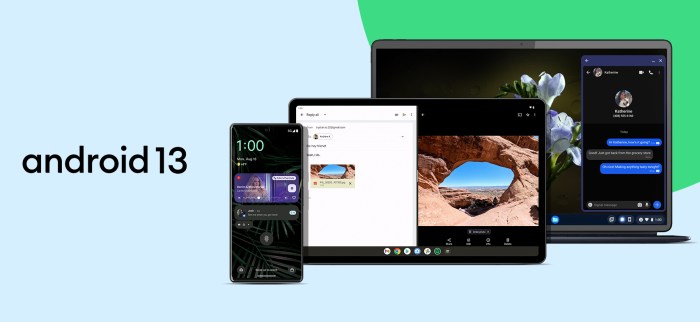
The world of Android emulation, notably the non-virtualized selection, will not be a static panorama. It is a dynamic area, continuously evolving to satisfy the ever-increasing calls for of cellular utility builders, players, and basic customers. We are able to anticipate thrilling developments on the horizon, fueled by technological breakthroughs and the relentless pursuit of higher efficiency and person expertise.
Efficiency Enhancements
The longer term guarantees important strides within the efficiency of Android emulators with out virtualization. This interprets to smoother gameplay, quicker utility loading instances, and a extra responsive total person expertise.
- Optimized Code Compilation: Anticipate to see extra subtle strategies of translating Android’s Dalvik/ART bytecode into native machine code. This contains superior just-in-time (JIT) compilation strategies and ahead-of-time (AOT) compilation methods, leading to efficiency beneficial properties. Think about a sport that at present stutters in your emulator, all of the sudden operating at a silky-smooth 60 frames per second – that’s the potential.
- {Hardware} Acceleration Developments: The utilization of {hardware} acceleration, comparable to leveraging the host system’s GPU, will turn into much more seamless and environment friendly. Future emulators will probably supply improved assist for Vulkan and different trendy graphics APIs, resulting in a major increase in graphical efficiency, particularly for demanding 3D video games. Consider it as a finely tuned engine in a sports activities automotive, maximizing the ability accessible.
- Useful resource Administration: Smarter useful resource administration is on the horizon. This contains dynamic allocation of CPU cores and reminiscence, primarily based on the calls for of the emulated functions. This might permit the emulator to run extra effectively, even on techniques with restricted assets, offering a smoother expertise throughout a wider vary of {hardware} configurations.
- Improved Multithreading: Future emulators will harness the ability of multithreading extra successfully. This might permit the emulator to distribute its workload throughout a number of CPU cores, leading to important efficiency enhancements. That is notably useful for functions which might be designed to run on multi-core processors, offering higher efficiency.
Compatibility and Characteristic Enhancements
Past uncooked efficiency, the way forward for Android emulators with out virtualization holds thrilling prospects for improved compatibility and a richer function set. This implies broader assist for Android variations, a wider array of {hardware} configurations, and extra user-friendly functionalities.
- Expanded Android Model Assist: Emulators might want to maintain tempo with the fast evolution of the Android working system. This implies supporting the most recent Android variations as quickly as they’re launched, together with improved backward compatibility to accommodate older apps.
- Enhanced {Hardware} Compatibility: Anticipate to see higher compatibility with a wider vary of host system {hardware}, together with completely different CPU architectures (like ARM and x86), graphics playing cards, and peripherals. This may make emulators extra accessible and user-friendly on numerous {hardware} platforms.
- Superior Characteristic Integration: Future emulators will incorporate superior options to boost the person expertise. This contains assist for options like multi-touch, improved enter mapping for sport controllers, and seamless integration with cloud companies.
- Optimized APK Compatibility: Enhancements in APK compatibility, resulting in fewer compatibility points and broader assist for a wider vary of functions. This includes higher dealing with of various APK codecs, useful resource administration, and {hardware} necessities, guaranteeing a wider choice of functions.
Rising Applied sciences Impacting Emulation
A number of rising applied sciences are poised to reshape the panorama of Android emulation with out virtualization. These improvements have the potential to drastically enhance efficiency, performance, and the general person expertise.
- AI-Powered Optimization: Synthetic intelligence (AI) and machine studying (ML) will play an more and more necessary position in optimizing emulator efficiency. AI algorithms can be utilized to dynamically alter useful resource allocation, optimize code compilation, and predict person conduct to enhance the general expertise.
- Cloud-Primarily based Emulation: The rise of cloud computing opens up thrilling prospects for Android emulation. Cloud-based emulators may supply on-demand entry to highly effective {hardware}, permitting customers to run demanding functions with no need high-end native {hardware}. This might additionally streamline updates and supply a constant expertise throughout completely different units.
- Edge Computing Integration: Edge computing, with its deal with processing knowledge nearer to the supply, may additionally affect emulation. Edge-based emulators may present quicker response instances and improved efficiency, notably for functions that depend on real-time interactions.
- Superior Graphics APIs: The adoption of superior graphics APIs, like Vulkan and Steel, will proceed to enhance the graphical efficiency. This may present customers with a extra lifelike and immersive expertise.
